
Growing ginger from root is a fun kid’s project. Ginger is a tropical plant that is easy to grow indoors.
All you need is a piece of fresh ginger, some water and some soil to get a plant growing.
It seems that I am on a growing from scraps kick lately. There are many vegetables that can be grown from their parts and pieces. Ginger root is just one of them.
This aromatic plant will root easily from just a part of the plant. You can always have some growing in your garden to use in recipes!
I’ve written a whole article on this topic. To read about other foods that will re-grow from kitchen scraps, see this post.
Share this post about growing ginger from root on Twitter
[bctt tweet=”Grow your own ginger plant from a piece of ginger root. Find out how to do it on The Gardening Cook. #growingginger #organicgardening #vegetablegarden ” username=”agardeningcook”]
What is ginger root?
Brush up on your knowledge of ginger root with these fun facts:
- Botanical name – zingiber officinale
- Common name – fresh ginger, ginger root, cooking ginger, stem ginger, Canton ginger
- Type – herbaceous perennial shrub
- Native to – Southeast Asia
Ginger – zingiber officinale – is a popular kitchen ingredient that can be used in all sorts of recipes, from Asian dishes to zesty salads and delicious homemade gingerbread.
If you enjoy the flavor of ginger in gingerbread cookies, be sure to check out the history of gingerbread. It’s fascinating!
Ginger root has been used in Indian and Chinese cooking since ancient times. It has a sweet, but spicy flavor that is very versatile.
The plant is grown, not for its foliage, but for its aromatic and spicy rhizomes, which are called ginger roots.
Ginger is a vegetable but is often referred to as a herb or spice. Many cooks consider dried ginger a spice and fresh root a herb.
The active components in ginger are called gingerols which give the root its distinctive flavor. Gingerols are thought to be anti-inflammatory and useful in alleviating arthritis pain.
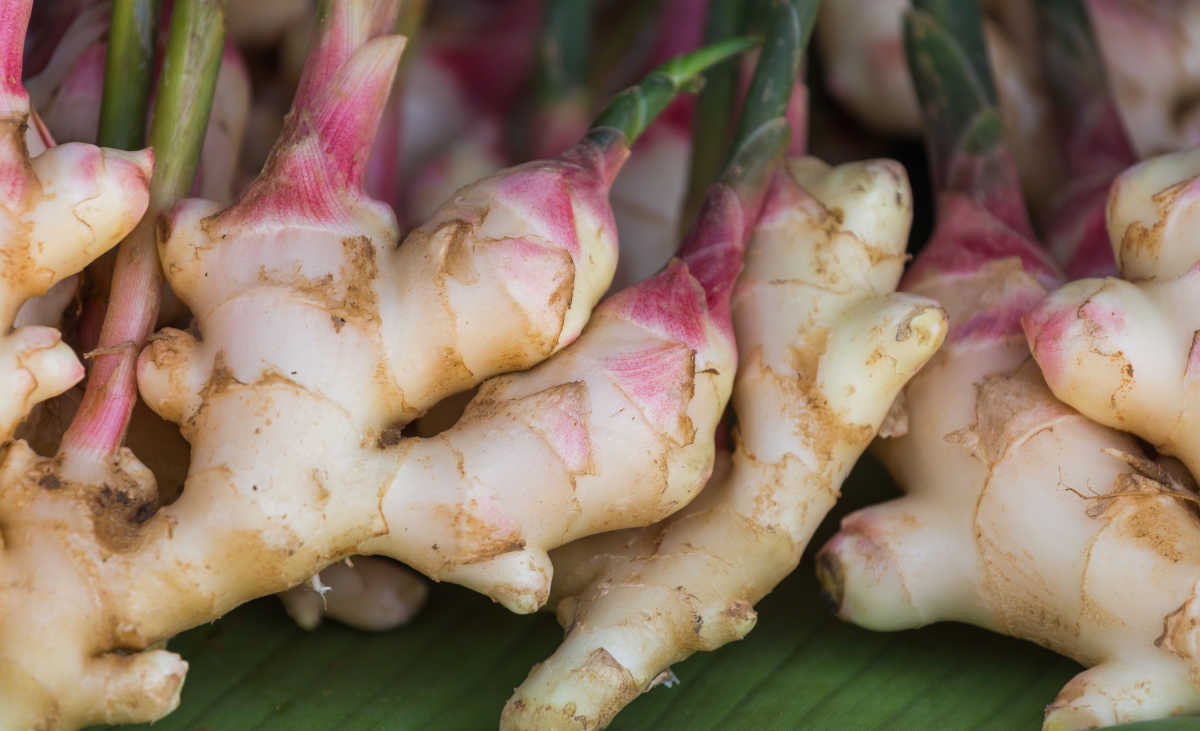
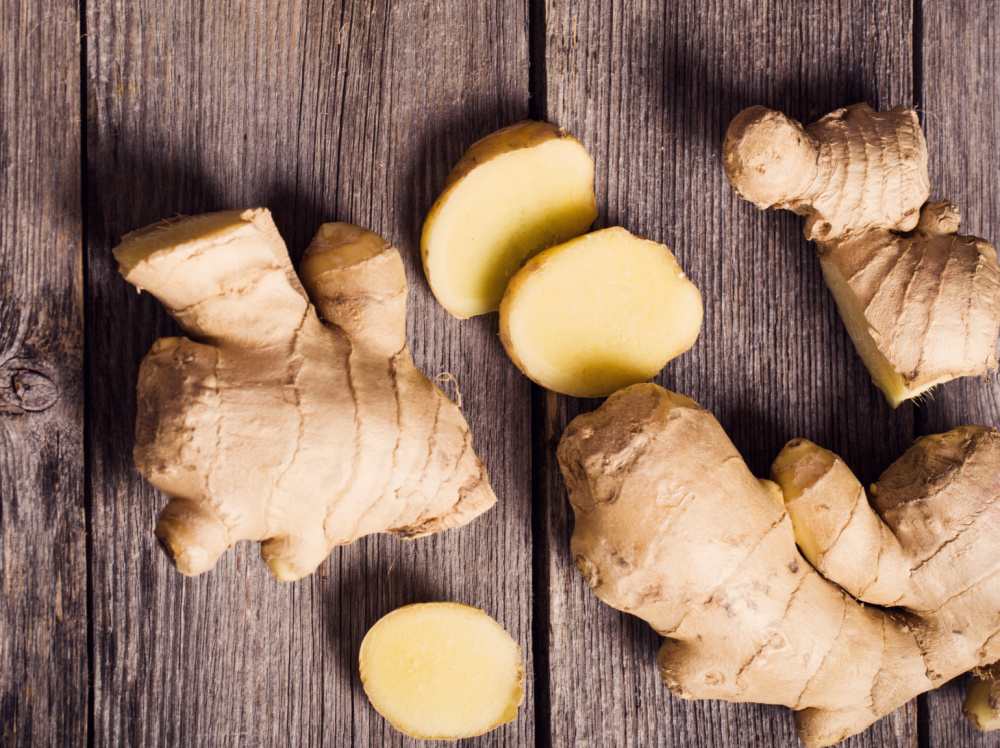
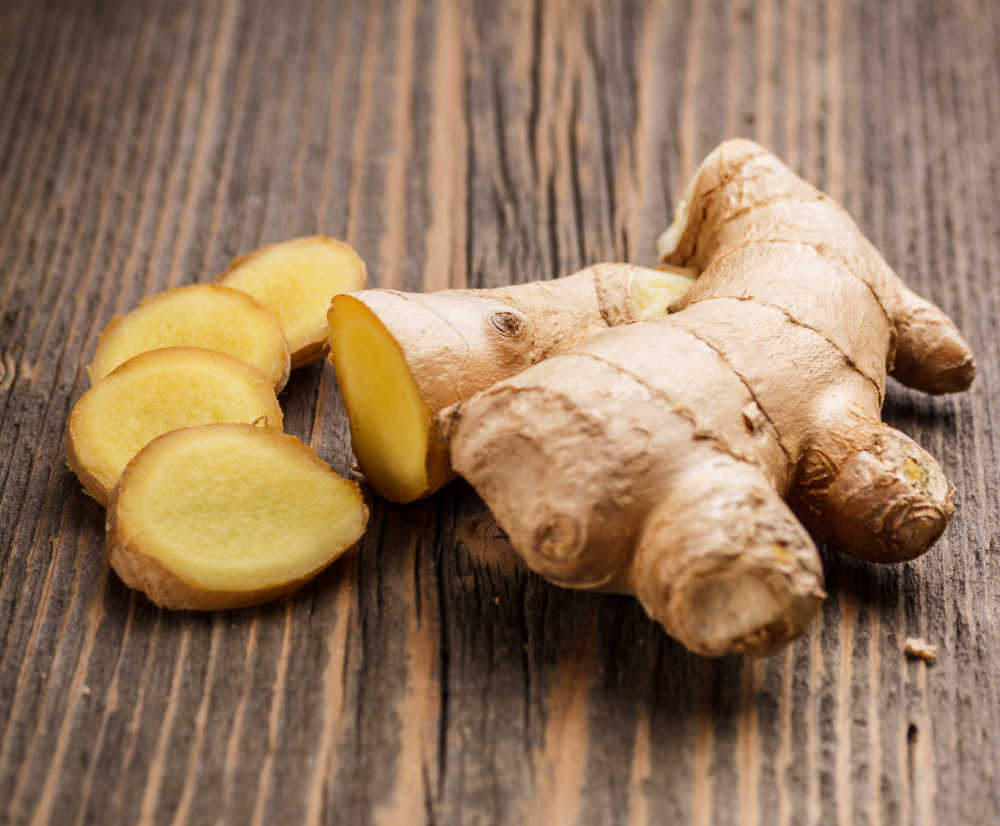
Ginger root rhizomes are firm and knotty with a rough texture. The flesh can vary in color from yellow to red, depending on the variety.
We don’t often see ginger growing farms in the USA since ginger is considered a tropical plant. Most of the ginger that we find in our grocery stores has been grown in China, West Africa, India, or Indonesia.
For most areas of the USA, ginger is grown as an annual. In some warmer climates such as the South West, Florida and Hawaii, ginger can be grown year round
Today, we’ll learn about growing ginger at home from a piece of ginger root.
Growing ginger from store rhizomes – can it be done?
It is possible to grow a ginger plant from ginger purchased at the grocery store. However, your results might be inconsistent with those shown below.
The reason is that ginger purchased from the produce department of a grocery store is sometimes sprayed with a growth inhibitor to keep it from sprouting before it has been purchased.
This growth inhibitor may also keep it from sprouting when you place the ginger root in a pot of soil.
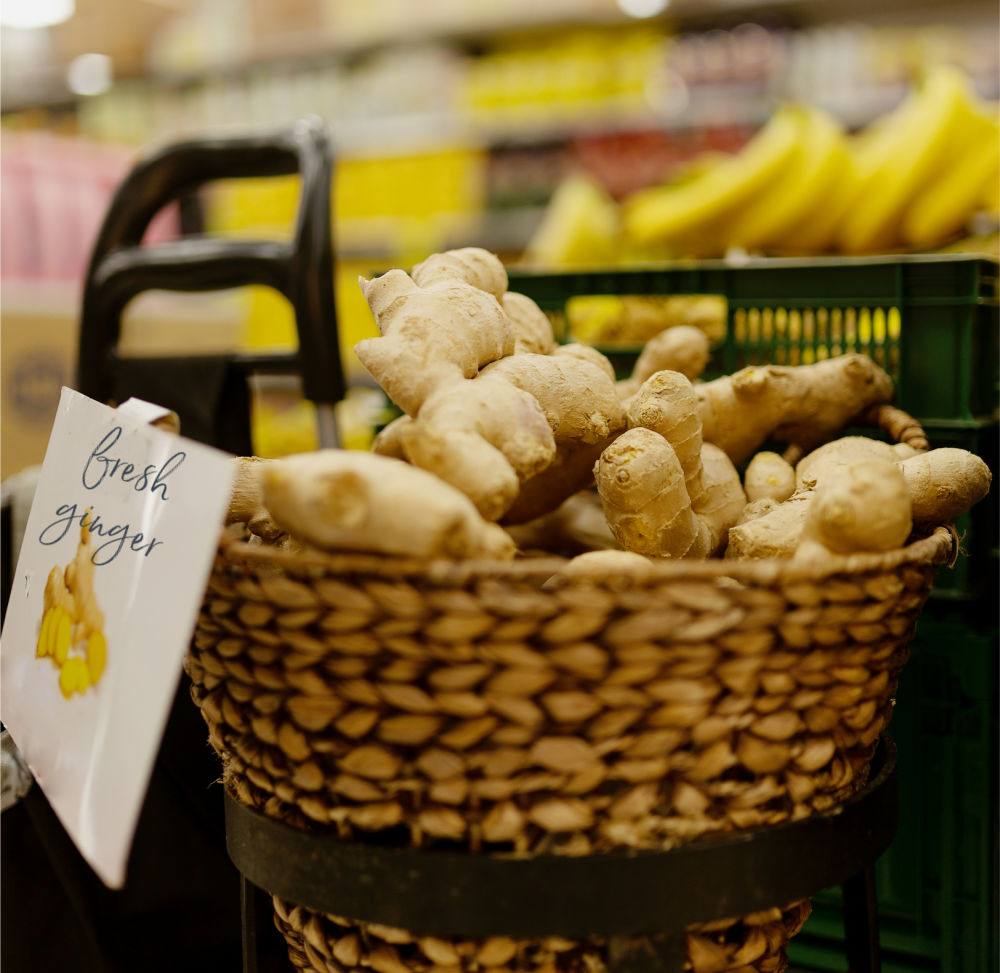
For best results with store ginger, soak the rhizomes in water overnight in case they have been sprayed with an inhibitor.
The best source of ginger for re-growing is from rhizomes that have been supplied by an organic grower, or from your local Farmer’s Market.
You can also order organic ginger pieces from many online sellers. (affiliate link)
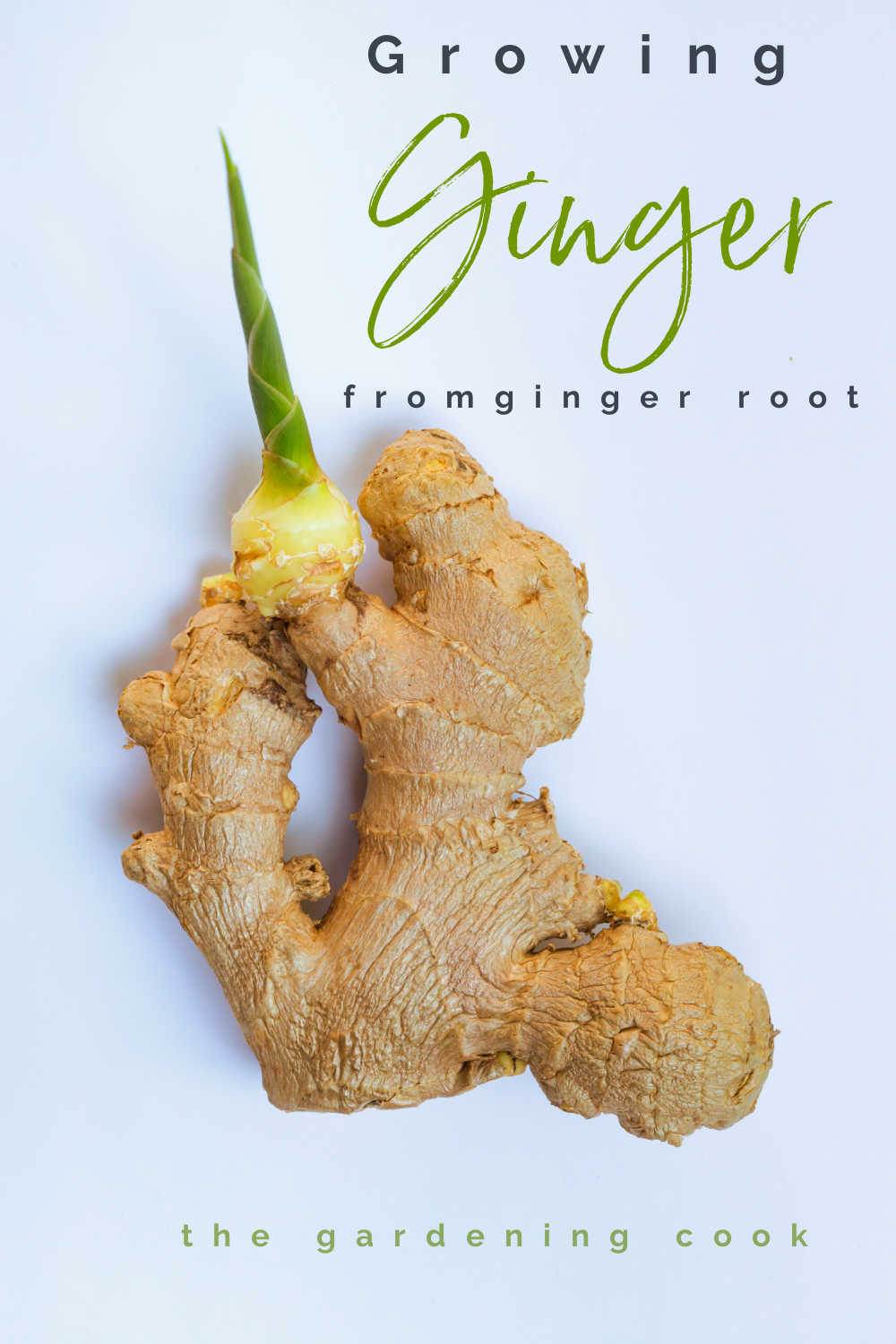
Growing ginger from root
In spite of its preference for tropical climates, rowing ginger root is a lot easier than one might think.
All that you need to grow ginger is a piece of ginger root. In no time at all, you will have a ginger plant growing.
Preparing ginger root for planting
Choose pieces of ginger root that are plump with well developed eyes or growth buds. An ideal piece of ginger is about four to six inches long with multiple “fingers” extending from it.
Avoid any pieces that are shriveled or dry looking. If you find a piece of ginger that has already sprouted, that is fine. It will likely grow well.
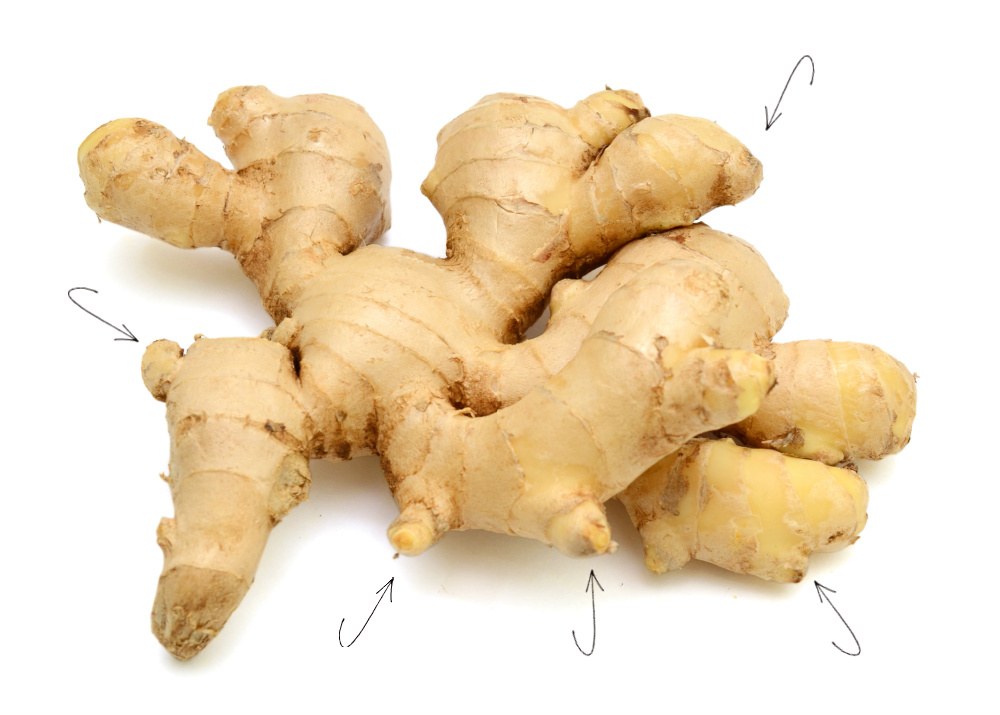
You will need to prepare your ginger root before planting it. Cut the ginger root into pieces that are about 1 to 1 1/2 inch wide. Be sure each piece has at least one eye.
Allow the cut areas of your pieces to callous over for a 24-48 hours.
How to sprout ginger from its root
Once your cut pieces of ginger have calloused over, place them into some organic potting soil. (affiliate link) Make sure the healthiest looking eyes are facing upwards.
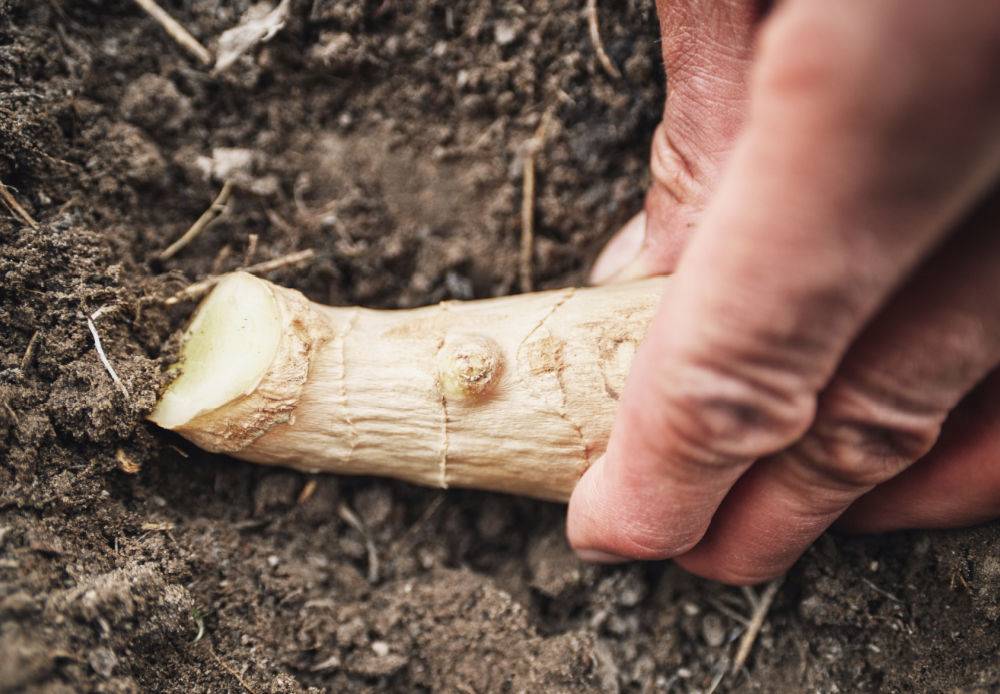
Ginger root likes rich, damp and fertile soil that has been amended. This type of soil absorbs water well but doesn’t get soggy.
Adding compost or other organic matter will help with drainage. Ginger root plants like a soil that is slightly acidic (5.5 to 6.5). Adding coffee grounds to the soil can help to raise its acidity.
Place the pot of ginger pieces in filtered light, but not in direct sunlight. This makes ginger a good indoor plant. Growing ginger indoors in a pot is also a good choice for gardening with children since the kids will be able to watch it sprout and grow nearby.
Ginger can also be planted directly into the ground outdoors as soon as any danger of frost has passed and temperatures are consistently above 60° F.
For outdoor plants. a shady to filtered sunlight location, such as one under the shade of a tree, is ideal. Ginger plants like heat and humidity.
When should I plant the rhizomes?
The best time for planting ginger outdoors in cooler climates is in the early spring. In warmer temperature zones, you can plant any time of the year.
For indoor plants, place ginger root pieces in pots that are large enough to accommodate the growing rhizomes. If you use a larger pot, you can plant more pieces in the container.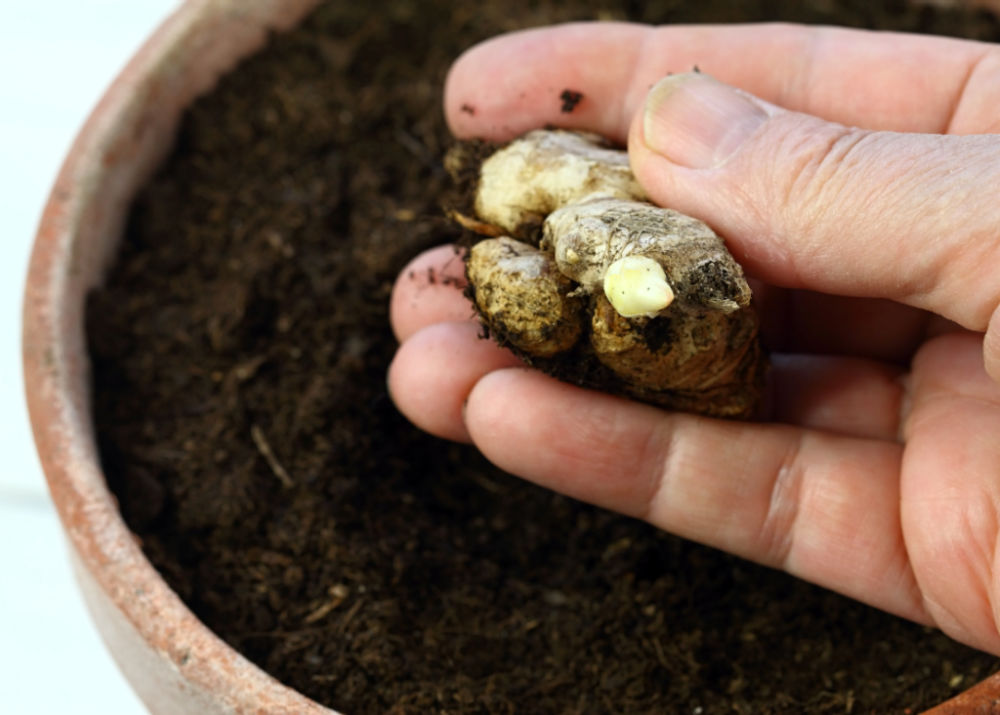
Make sure the pot drains well, and that the soil is rich and fertile.
Place one piece of ginger root in each pot. If planting ginger outdoors, space the pieces 12 inches apart.
Plant each piece of the rhizome about 1 inch deep and keep adding soil over the rhizomes as they grow and multiply.
Water well after planting.
Care of your ginger plant
Pieces of ginger root take about 1-2 weeks to start growing leaves. This means the roots are starting to form under the soil. Gently water until you see more growth and then keep consistently moist after the growth starts.
Your ginger plant will eventually grow up to 4 feet tall. Some of the roots will appear above the ground, which is normal for plants grown from rhizomes. (My iris plants always grow this way.)
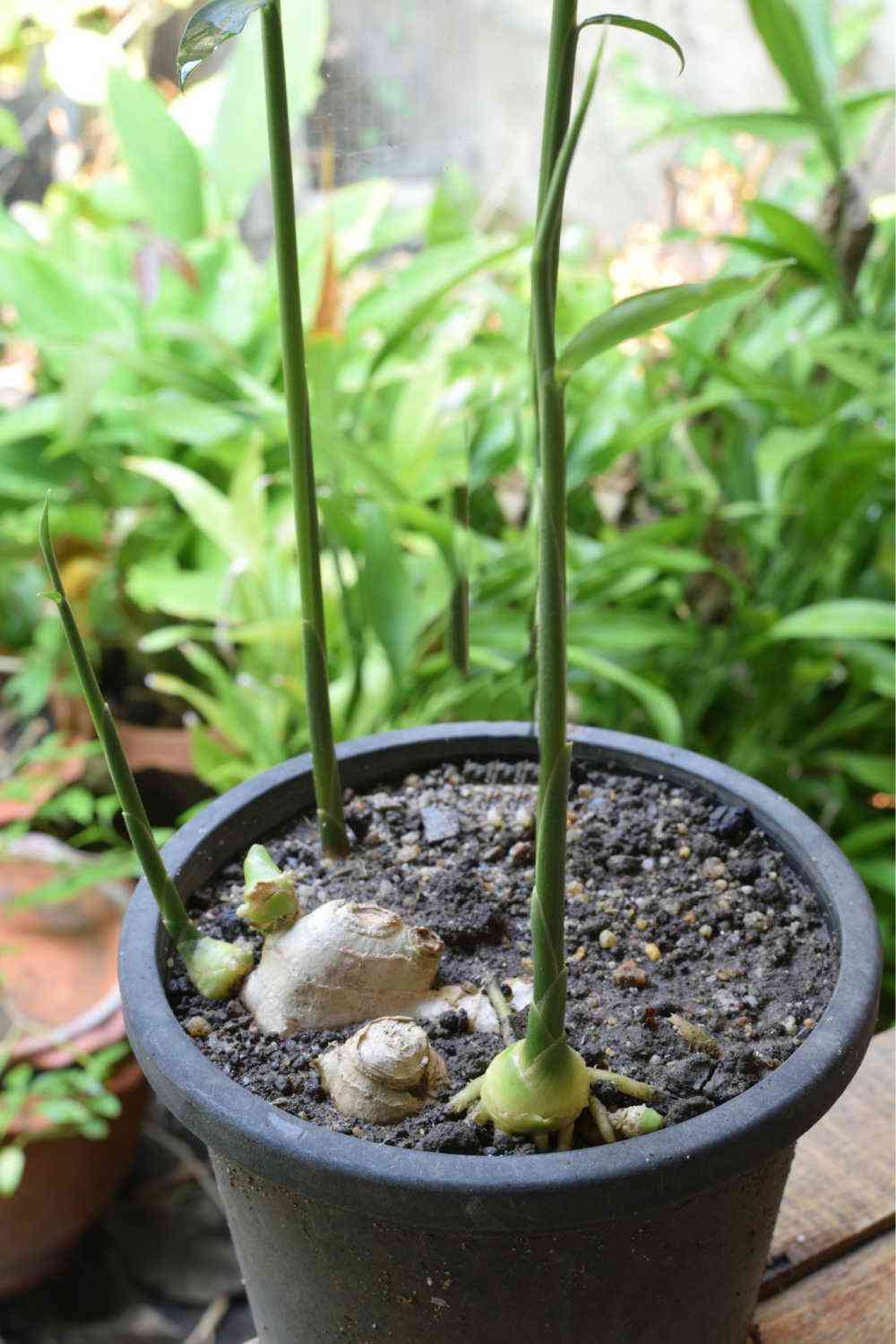
The plant has narrow, glossy bright green leaves and yellowish green summer flowers that are rarely seen.
Growing ginger root needs about 8-10 months for the plants to reach maturity but the roots can be harvested after about 2 months.
Feed ginger plants once a month during the growing season.
Pest and diseases for ginger
Ginger is considered relatively free of pests and diseases.
Some diseases that may affect ginger are leaf damage from pests, bacterial wilt, fusarium fungus and nematodes that affect the roots.
Root rot is also possible if you water too much.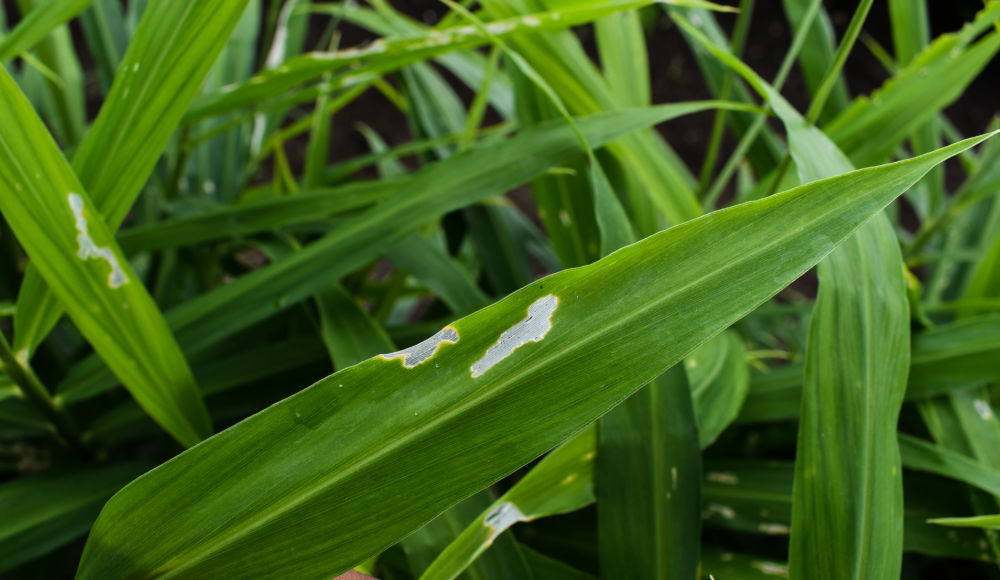
Bugs that are could be attracted to ginger are ants, aphids, mealy bugs, cut worms and spider mites. Slugs and snails also have a fondness for the plant.
Harvesting ginger grown from root
To harvest ginger, just dig it up. Rinse away the dirt under running water and it will be ready to use in your recipes.
This method of harvesting works best if you have lots of ginger plants growing.
If you would like to keep the plant growing, but still want to harvest some ginger root to use, you can harvest part of the rhizome. To do this, use your hands to feel the rhizome under the soil.

Choose a piece that is at least 2 inches away from the stalk and cut the outer part of the rhizome with a sharp knife. You can use this piece but the plant will continue to grow under the soil.
Harvesting this way will will give you an endless supply of ginger.
Harvesting ginger grown in pots
To harvest ginger grown in indoor pots, dig up the entire plant, cut off a piece of the ginger root and replant the rest of the rhizome. As long as you leave at least 2 inches of the rhizome left, the plant will continue to grow.
Harvesting is good for the mother plant, since ginger root loves to spread.
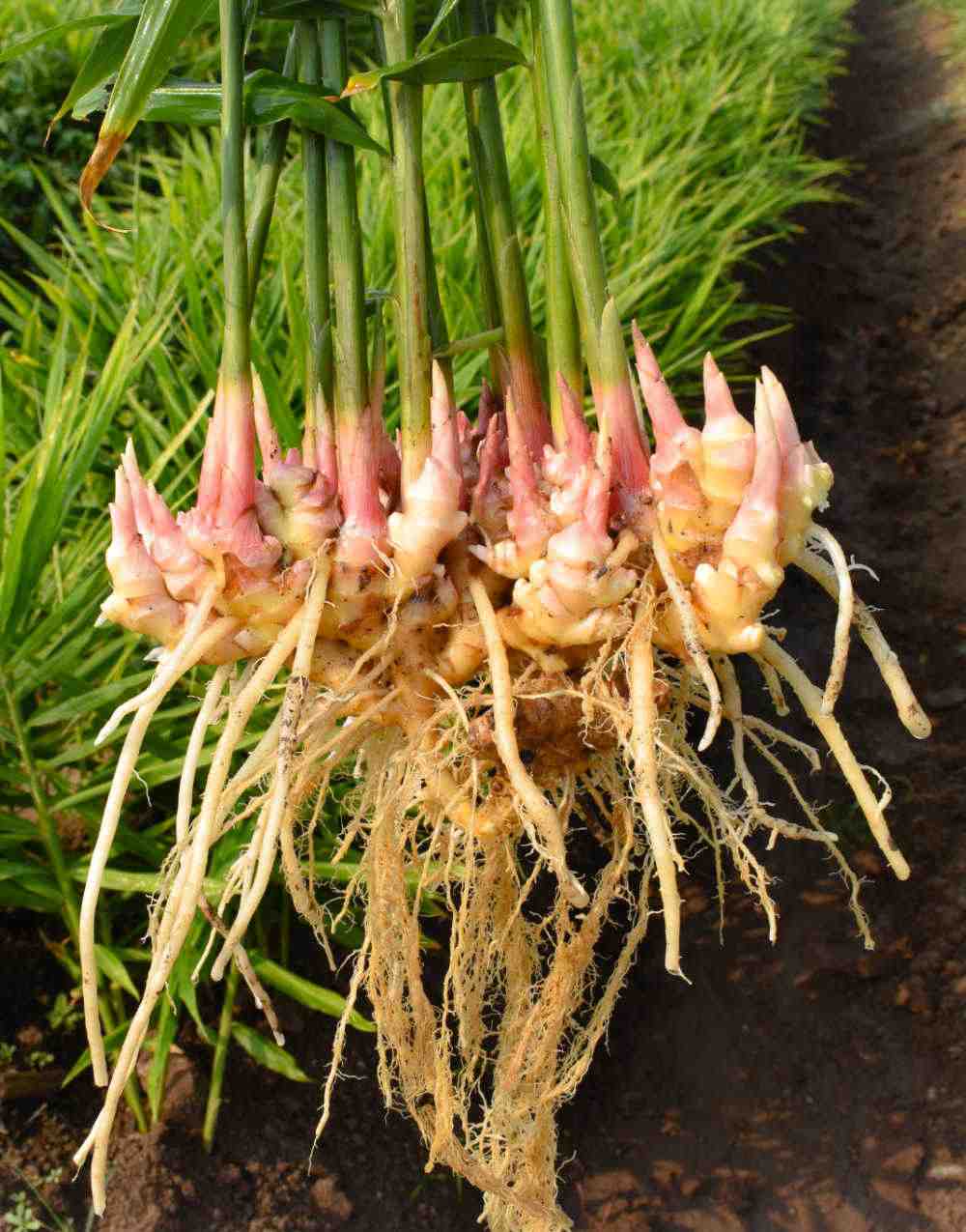
If your garden patch or pot of ginger is pushing up multiple stalks, you will know it is time to start a new pot, In time, you may have quite a few containers of ginger root.
Hardiness zones for ginger plants
Ginger is only cold hardy in zones 9-12, although there are a few varieties of ginger that are hardy down to zone 7.
Ginger has a tendency to go dormant when temperatures go below 55°F even in warmer climates. The foliage will die off but the rhizome will still be viable.
However, once the temperatures go below freezing – 32°F, the rhizome will shrivel and become lifeless. Ginger root cannot tolerate frost at all.
Fortunately for those of us who live in the cold zones, ginger is easy to grow in a pot.
If you have your ginger root in a pot outside, be sure to bring it indoors before the temperature is expected to dip below 55°F if you live in the colder hardiness zones.
Another alternative is to plant ginger in the ground outdoors, but dig the rhizomes up when the weather starts to get cooler. You can keep them in pots over the winter and replant in the ground in spring.
Admin note: This post for growing ginger from root first appeared on the blog in April of 2013. I have updated the post to add more growing tips and facts, a project card with printable growing tips, new photos and a video for you to enjoy.
Pin this post for growing ginger from root
Would you like a reminder of this post for how to grow ginger root? Just pin this image to one of your vegetable gardening boards on Pinterest so that you can easily find it later.
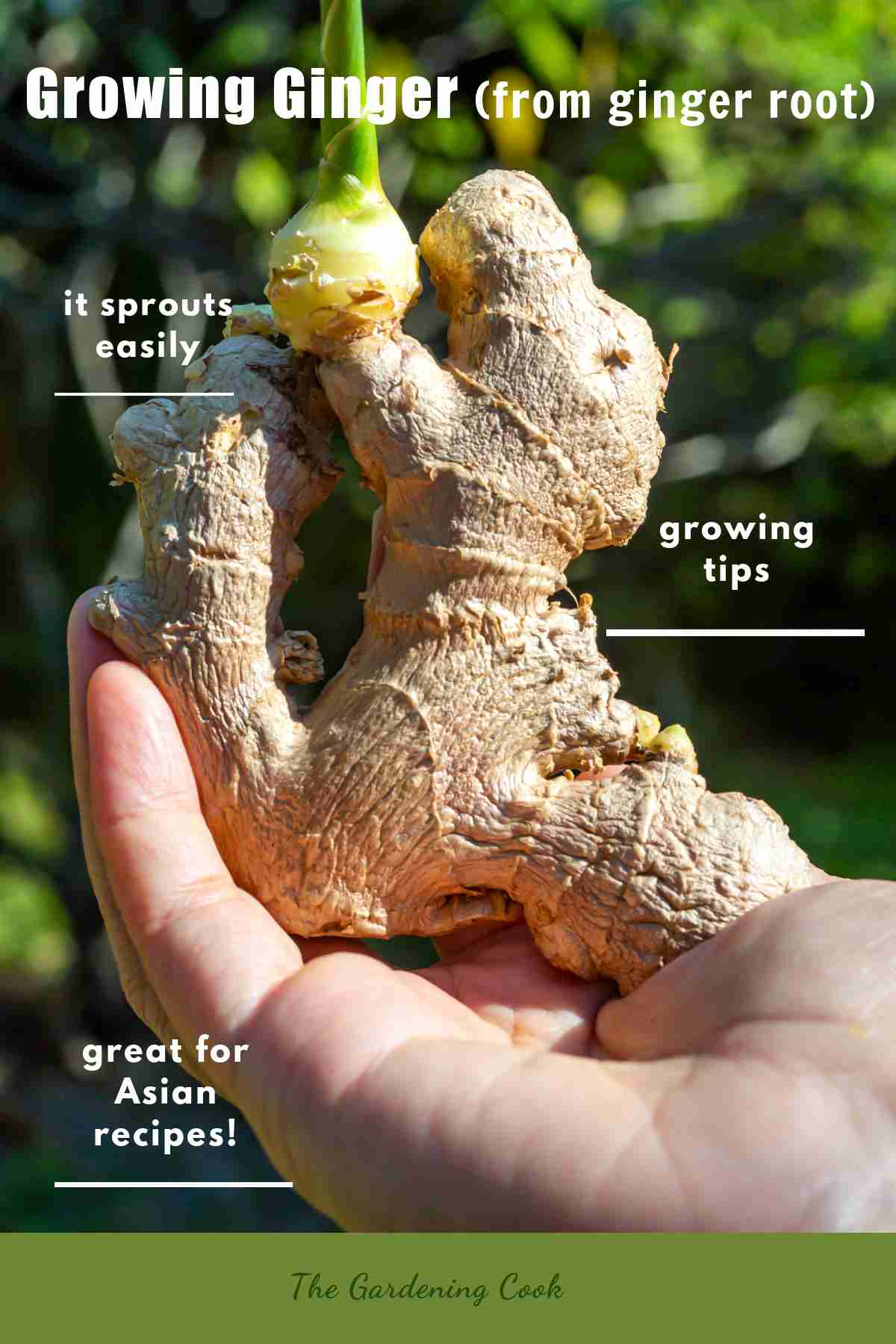
Growing Ginger Indoors
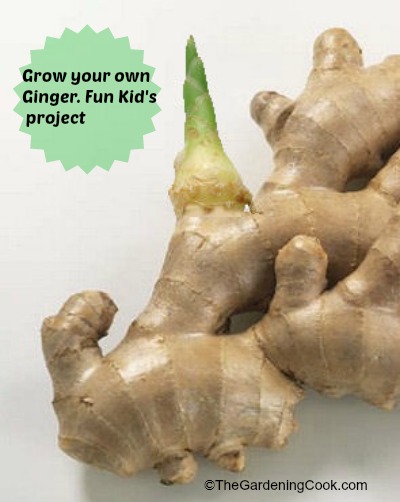
Growing ginger root in a pot is easy and a fun project to do with kids. All you need is a piece of ginger and some soil.
Materials
- I piece of fresh ginger root with eyes, 1 to 1 1/2 inches long.
- 8″ pot
- Well draining potting soil
- Compost or other organic matter
- All purpose fertilizer
Tools
- Watering can
Instructions
- Cut fresh ginger root into 1 1/2″ pieces.
- Allow the pieces to callous over for 24-48 hours.
- Plant each of the cut pieces into an 8″ pot with well draining soil that has been amended with compost or other organic matter.
- Give the plant bright indirect light but not full sunlight.
- Water well. Leaves should sprout in a few weeks.
- The rhizomes will be ready to harvest in two months.
- The plant will take about 8 months to reach maturity.
- Only hardy in zones 9 and above.
- Bring indoors before the temperatures drop below 55° F.
- Cannot tolerate any frost.
- Watch for spider mites, aphids, and ants.
Recommended Products
As an Amazon Associate and member of other affiliate programs, I earn from qualifying purchases.

47 responses to “Growing Ginger From Root – How to Grow Ginger Root”
[…] To see more: https://staging.thegardeningcook.com/growing-ginger/ […]
I planted ginger, but never knew when to harvest. Still don’t have an idea. Do I harvest when it sprouts? How long do I wait?
Once it has been growing for a while, you can pull it off, cut off what you need and replant it. It will keep growing. It only needs a small piece in the soil for it to grow more. I would leave it a little while after sprouting. This just means the roots are growing, but not that it is ready. Maybe a month?
Carol
what type of soil sould we use
Hi Sheila
Any normal potting soil will work. Carol
Do you need to start with organic ginger?
Hi Che’ri I would use organic. Much of the ginger (and garlic) sold in the stores has been treated not to sprout. The organic ginger is not treated this way. Carol
Hi ! I’m getting ready to grow some ginger in my kitchen window. One question, though. How deep do you plant the ginger ? And do you cover it with soil ?
HI. It depends on the size of the pot you put it in but basically yes, cover it with about an inch of soil, or so. Just be sure there are “eyes” on the ginger and have them pointing upwards in the pot.
Carol
I have four pots of ginger growing and harvest pieces for making tea weekly. I bought a root at the grocery in January and divided it to plant. took a while to start growing but now it’s great. It was inside until the weather warmed and is now on a covered deck.
Hi Dee. glad to know it works for you.
Carol
@dee, what size pot did you use ?
How do you get “eyes” on the ginger? The ones at the grocer don’t have any.
Hi Helyn. Most ginger at the store has been treated not to reproduce, but organic ginger will sometimes have visible eyes. This is the type that will work. Carol
How much water do you give it? Keep it moist? Mine has brown tipped leaves. I don’t know if I am giving it too much water or too much sun.
Hi Vicki. The most common reasons for brown tips on leaves is not enough water (will eventually spread to whole leaf) but I also get them outdoors from too much sun. I water when the soil is dry at about the first knuckle and give it bright light but not direct sunlight all day. Carol
Hello,
When you harvest the ginger do you break off what you need in such a way that the green growth above the soil line is not disturbed? Just a little bit confused about how to do this.
Thanks and I look forward to growing my own ginger,
Trish
HI Trish. The ginger that you plant will send up shoots and leaves. Often, near the soil, you will see some knobs that can be safely cut off without disturbing the roots.
Ginger is a bit like asparagus. If you don’t harvest it the first year, you will have a better crop in subsequent years.
Carol
I jusat bought some ginger from the farmers market. I am soaking it in water now and cant wait to see how this turns out!!! Thank you for all the information
I have a plant growing now. It’s fun to watch it take form.
My ginger was growing well outside in 1 gallon pots until it got too cold. Now the leaves are all dried and brown. Should I just let it sit? Should I cut off the shoots and leaves? Will it sprout again when the weather warms up?
Hi Lola. Ginger is a tropical plant, so if you leave it outside when it gets cold, depending on where you live, it might not come back in the warm weather. I keep mine in a pot and bring it indoors before frost. (I live in NC.) Carol
One thing you need to be aware of: ginger can be invasive just like horseradish. It spreads, so best to put it in a pot if you live in a warm climate where it can live through the winter outdoors.
Thanks for the tip Sandi. Appreciate your advise. Carol
How long from the time I plant my organic ginger indoor should I expect it to start sprouting?
Ginger is a slow grower, no matter what type you plant. You should expect some shoots 2-3 weeks after planting if all goes well. It does best when it has grown enough for the plants to crowd the pot. Once growing it is best harvested when the leaves are starting to die down, (about 8-10 months) although it is possible to get some at 3-4 months if you are lucky. CArol
I did grow some of this at one time but got stymied by when to harvest it to use. Thanks for the great tips, Carol!
Pinterest: Carol Lindboe
I had know idea you could grow ginger from a plant in a store, but not just any old store. your readers asked excellent questions and because of them and your answers I feel confident enough to grow my own ginger. I would imagine this ginger blossoms into a plant with flowers if it were left to grow? Thank you for your terrific post about ginger.
Yes, it would most likely flower eventually. Carol
I am about to start my first try at growing ginger, i never thought this culd be so easy. I also am going to start up a small aquaponics system, could ginger be grown in a aquaponics or hydroponics setup?
Hi Calvert. I have never tried growing it this way, but most plants can be grown via hydroponics. If you try it and it works, please let us know. Carol
Your discussions about ginger roots having “eyes” remind me of a joke my father loved to tell every spring when we were working in the garden about an old farmer who continually had to tell his wife, “Lizy, git yer drawers on; them taters has eyes!” (There’s a song about times in our lives that goes, “You’re gonna miss this…” Truer words were never spoken.)
How cute! Thanks for sharing T.J. Carol
My wife and I use a lot of ginger.this is great information .Thanks
Good luck growing a plant! Carol
hi-this is me first to post here,I’ll like to know when cut ginger at place where other
(branches)already started ,then left in a jar till roots shows,than planted in pots will
it grow to new ginger plants? has anyone tried that ?
HI Fred. Yes, if it has grown roots, it will likely grow into new plants. Carol
Yey, fantastic article, I love ginger tea and cookies! Thanks, Carol for this DIY ginger project, will write to you if I have questions during the process if it`s ok with you!
Hi Carol . I am interesting to grow ginger but I always confuse by articals different people tells different. I live northwest sub. Of Chicago.
My question is Ginger need direct sun light or not in summer time and what to do in winter time . Could you please take little time and guide me what to do ?
Thanks
Hi Pankaj. I think the confusion comes from the fact that there are a few types of ginger. Wild ginger which is common in North America can tolerate colder temperatures and will also tolerate full shade. Tropical ginger, on the other hand, likes full sun and warm temperatures.
As far as winter goes, tropical ginger needs to come indoors unless you are in a tropical zone. The wild ginger can remain evergreen even in some quite cold climates. Carol
Thanks for this article. I’m going to try this method with turmeric as well since ginger and turmeric are ‘cousins’ to each other. I may even try some outside all year to see how possible it is. 🙂
Why opinion about growing ginger don’t remain same among all growers. I often wonder that everyone has something new to share when it comes to ginger or beatroots.
I am planning to grow ginger and i was overwhelmed by the different opinion by different people but after reading this article it seems satisfying and i’m gonna follow this one only.
thanks for share mate.
I’m glad you found the article useful Edwin.
Is all ginger edible? I planted a small piece that was given to me some years ago It has slender greenery and sprouts a green pinecone looking ?flower? that eventually turns red. I do eat it and have not had any bad effects. It has spread to fill a space about 8′ x 12′ in my garden. In winter the tops die back, but re-sprout in spring. I live in Central Florida. I appreciate your site – very informative.
Although not as often used as the ginger root, the leaves and shoots of ginger are edible. They are mainly used as a garnish.
I will attempt this strategy with turmeric . Much obliged to you for your stupendous post about ginger.
Ponad rok temu posadziłam kawałeczek kłącza imbiru z z małym kiełkiem. Rósł kilka miesięcy, a jak zaczęły usychać mi liście wyjęłam z donicy spore kłącze. Byłam mile zaskoczona, że udało się. Dziękuję za poradę, jak prawidłowo należy to sadzić. Teraz podobnie posadziłam kawałeczek kłącza kurkumy. Już są liście. ciekawa jestem, czy się uda wyhodować kłącze.