
Trying to control squash bugs can seem like an insurmountable task when you find them in your vegetable garden.
If you grow zucchini or squash, you may be familiar with trying to deal with a squash bug infestation. These bugs can do a huge amount of damage, particularly to new plants.
Young seedlings and plants that are flowering are most vulnerable to an invasion of squash bugs.
Squash bugs are easy to identify based on their distinctive eggs which the bugs lay on the leaves that they enjoy eating.
These 11 easy tips will keep your garden pest-free. Take charge and find out how to kill squash bugs for good.
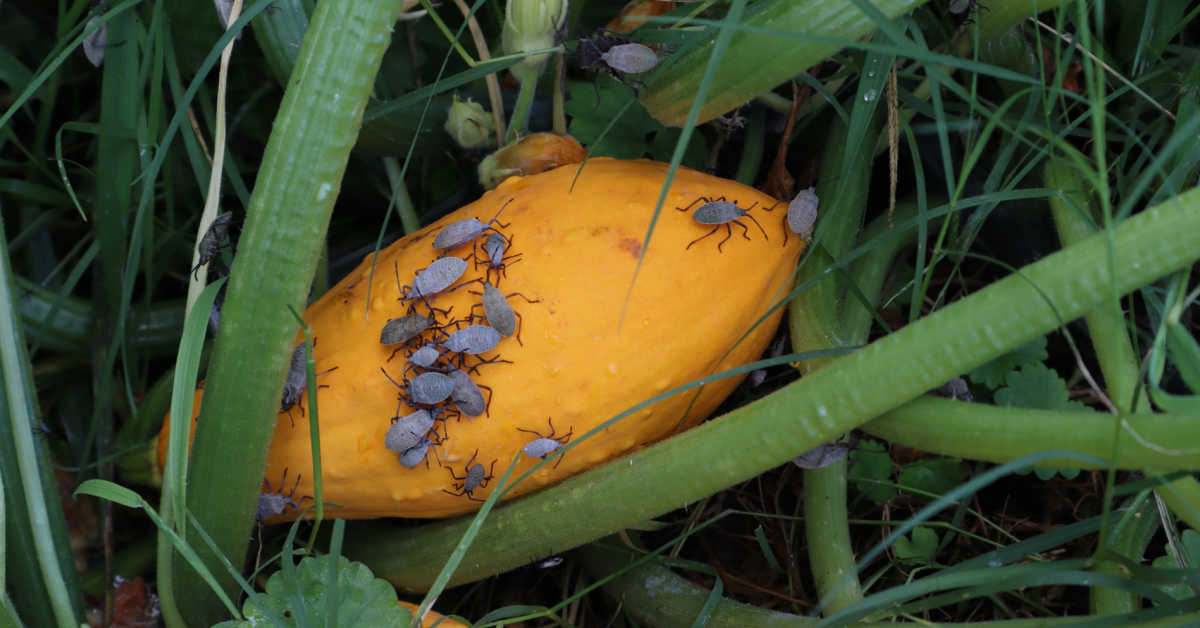
What are squash bugs?
The botanical name for squash bugs is Anasa tristis. This bug is very common in the USA and gets its common name from the fact that it is attracted to and lays its eggs on squash, as well as pumpkin plants.
I’ve also seen the bugs on cucumber plants and other curcubits such as melons.
What do squash bugs look like?
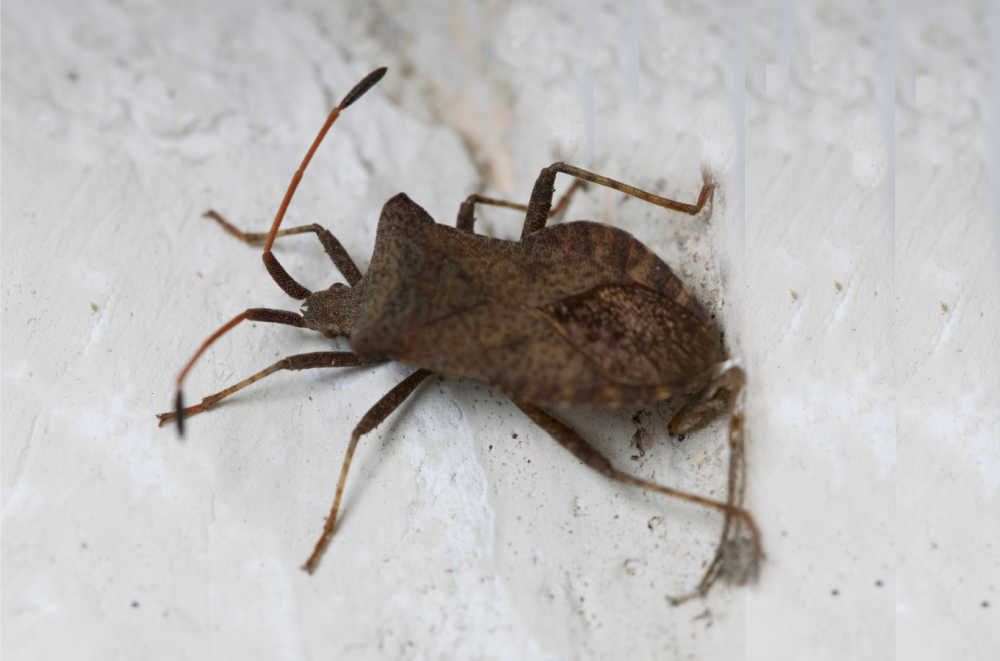
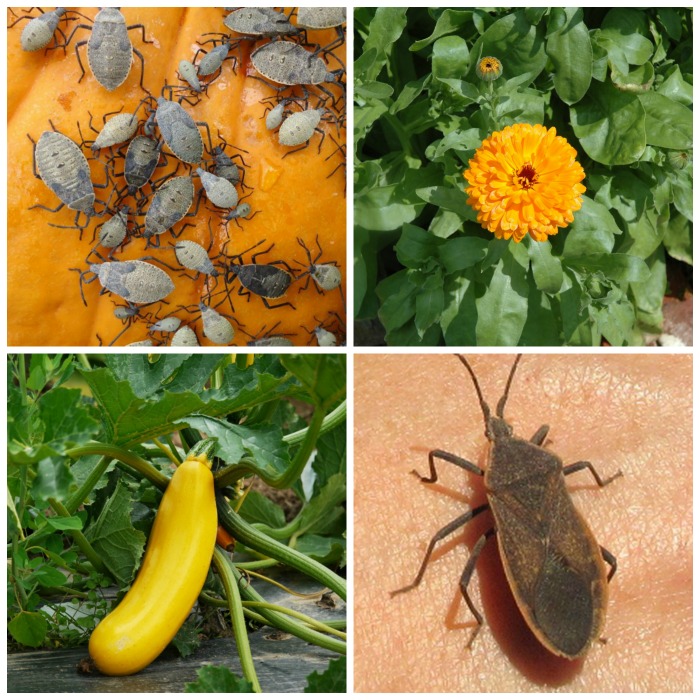
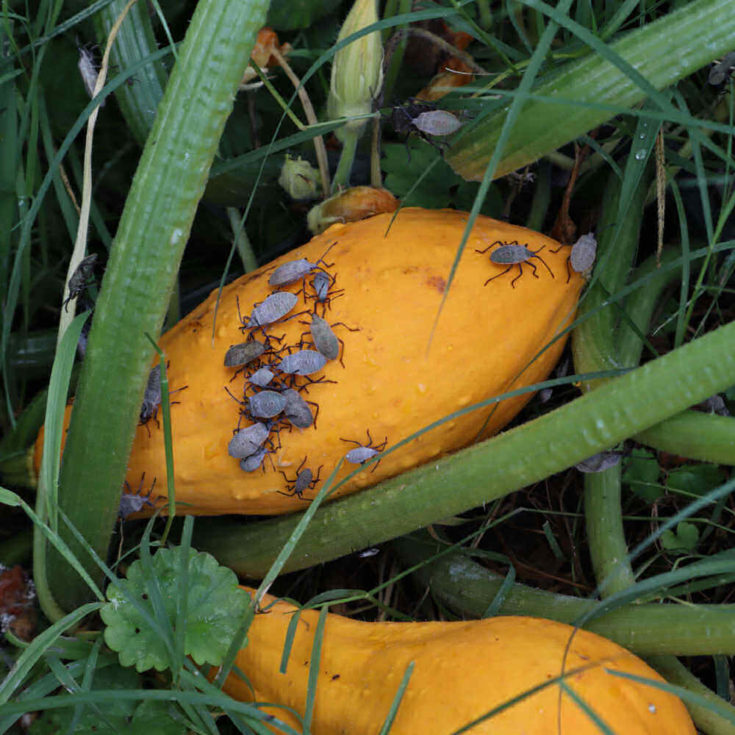
The adult squash bugs measure about 5/8 inch long and about 1/3 inch across. Their color varies from dark brown to dark gray. The back of the body is flat.
The underneath of the abdomen and sides of the body has orange stripes.
Squash bug eggs
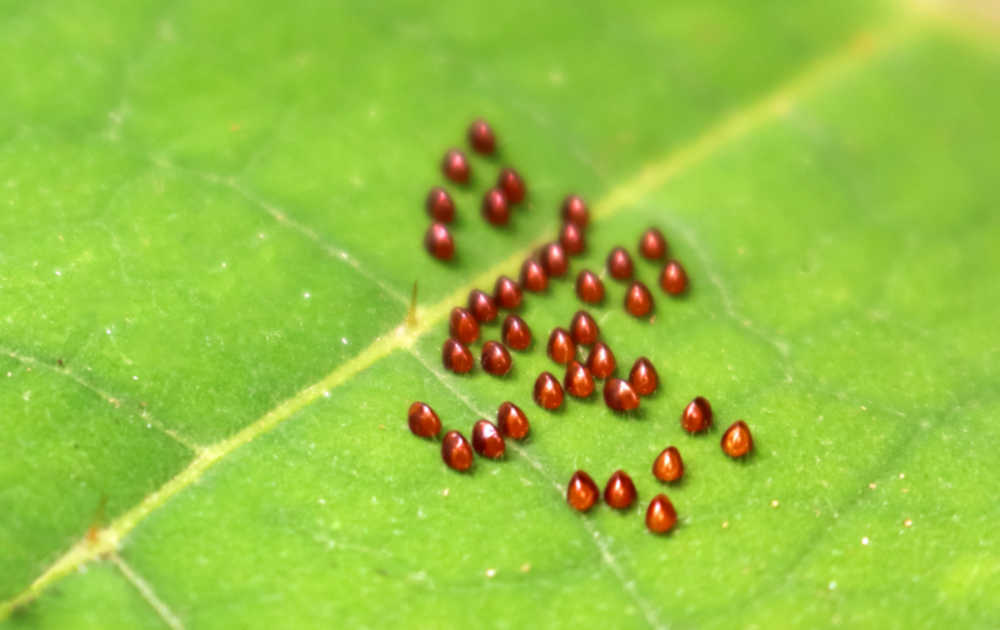
Their eggs are elliptical shaped and have a dark color to them. They are small – about 1/16 inch in size with a hard shell.
Normally these eggs are on the underside of the leaves especially along the veins of the plant, but the ones on my plant were in plain sight on top!
Eggs hatch in approximately 10 days, and the squash bug nymphs which emerge from the eggs mature in about four to six weeks.
Squash bugs life cycle
The key to the control of squash bugs is to interrupt their life cycle since they have just one generation each year.
The complete life cycle of the squash bug is approximately 6-8 weeks. In colder climates, these bugs have one generation per year. In warmer climates there will be 2 or 3 generations.
The females live over the winter in plant debris and then come out in the spring to lay their reddish browns eggs on the leaves of cucumbers, squash, melons and pumpkins.
Squash bugs damage
An infestation of squash bugs can do a lot of damage to your plants.
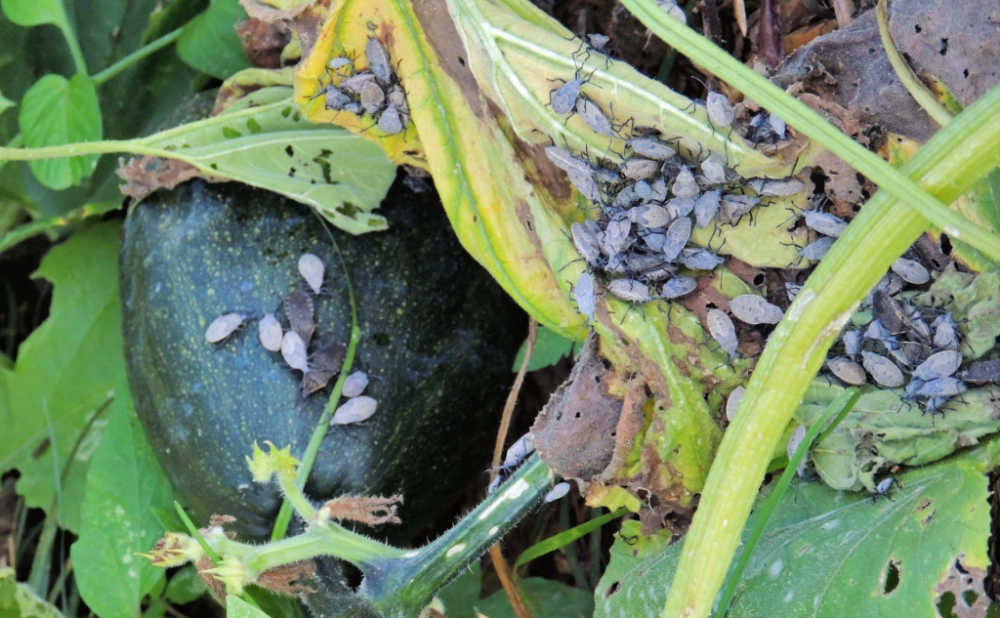
These bugs feed on leaves, vines and even the fruit of your plants. Squash bugs suck the sap out of leaves of plants that they feast on. This causes yellow spots which will turn brown and cause the plant to wilt.
They do most of their damage on younger plants. (more mature plants seem to be able to withstand their feeding a bit better but can still be badly damaged by the pest.)
Damage caused by squash bugs is destructive. Not only do they feed on plants, they also release a saliva during the feeding which carries a bacteria that is toxic to curcubits.
Squash bugs vs stink bugs
It’s easy to see why some gardeners mistake the two bugs – squash bugs and stink bugs look quite similar. Each bug also has a foul odor when squashed and have hard outer shells.
Stink bugs are wider and rounder than squash bugs. Squash bugs will do much more damage to your garden than stink bugs will.
Stink bug eggs are light colored. Squash bug egg are darker. The image below shows the two bugs and how they differ.
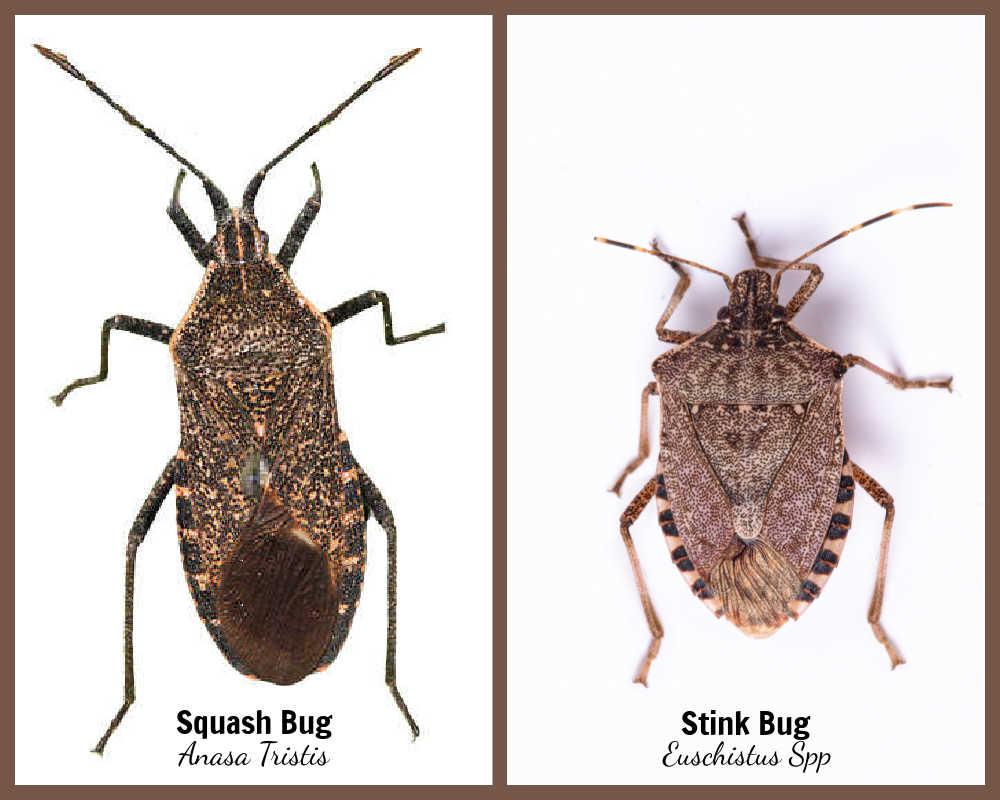
They are not the only bugs which have a similar look. The spined soldier bug and dock bug are also look a-likes for the stink bug.
[bctt tweet=”Vegetable gardens will soon be full of squash and zucchini. But that means there will be squash bugs too! Find out how to control this pest in your garden.” username=”agardeningcook”]
Squash bugs aren’t the only insect pest that plagues us in the summer months. Flies are a real problem too. See how I used the original Pine-Sol to make a homemade fly repellent here.
Tips to control squash bugs
Looking for tips on how to kill squash bugs in your garden? The first thing to remember is that treatment seems to work best if it takes place when the plants are young and also when they are flowering.
Early detection of squash bug nymphs is very important. One you have a big infestation of adults, they can be very difficult to kill.
Here are some ways to try and eliminate squash bugs infestations and some ideas for organic squash bug control:
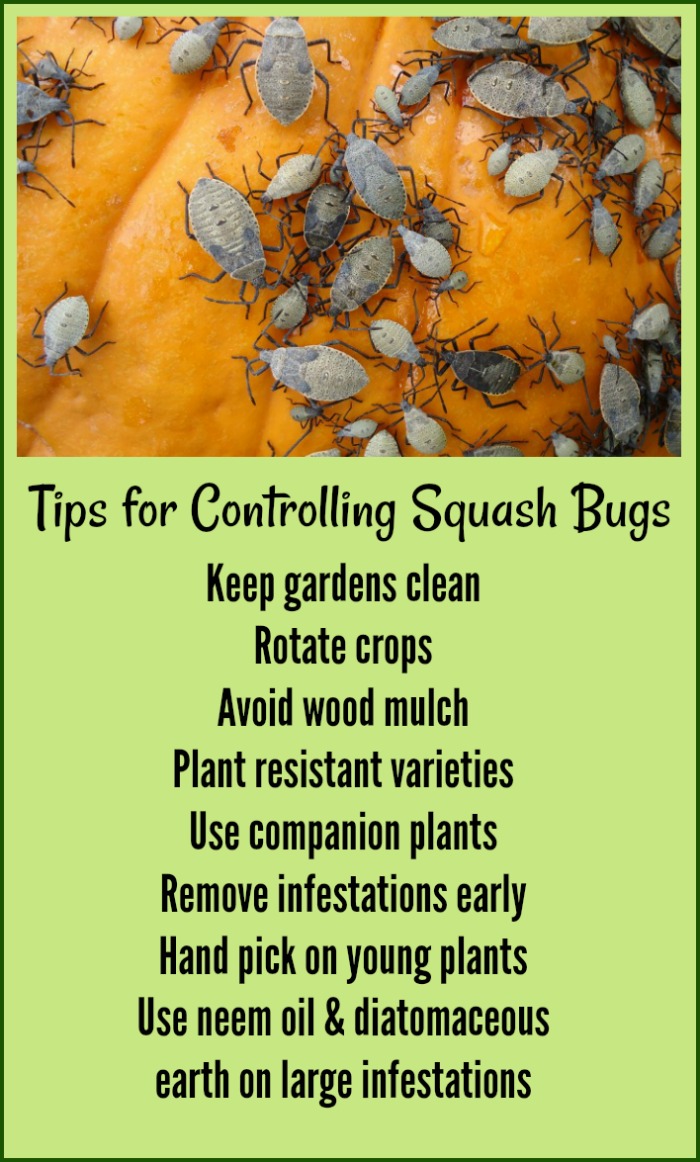
Garden cleanliness helps with squash bug control
The adult bugs are attracted by garden refuse. Remove vines, leaves and plant debris in the late fall and destroy them.
This will ensure that they will not be in the areas in your garden that attract the bugs when it is time to plant your vegetable garden.
It is tempting to leave vines and debris until the following spring, but doing this just gives bugs and disease a breeding ground.
Time spent cleaning away vines and dead plants in fall will reward you with less problems next year.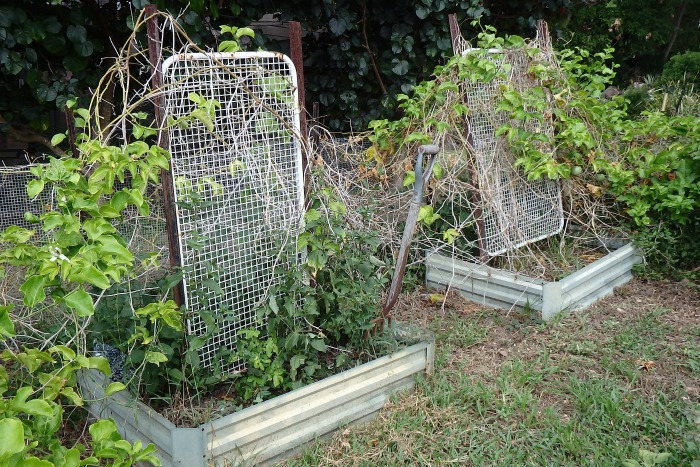
Garden refuse can be recycled in a compost pile, but don’t have it too close to the areas where you will be planting your vegetables.
Don’t compost your dead plants in the fall. Those little pests have a tendency to overwinter and will cause trouble all over again the next growing season.
How to kill squash bugs by practicing crop rotation
Many garden problems occur when you plant the vegetables in your garden in the same spot each year. Instead, rotate the crops often, so that the bugs and diseases don’t get a change to really take hold.
It is good to rotate your crops each year, replacing those varieties that are prone to infestation.
Choose a planting area where squash bug resistant varieties were grown the year before (or where other crops grew which are not affected by this pest.)
Mulch can harbor bugs
We all love mulch for its ability to control weeds and conserve moisture, but mulch can also attract squash bugs. Bare soil in vegetable gardens seems to work better for me than mulched soil when it comes to deterring squash bugs.
Squash bugs love to hide under the mulch and use it as a protective cover. If you do want to use it in your vegetable garden, don’t lay the mulch right up to the base of the plant. (a good idea with mulching any plants.)
Plant squash bug resistant varieties
If possible, search out plant varieties that are resistant to squash bugs. There are some squash types are seem to not be so easily infected by them. These varieties are good choices: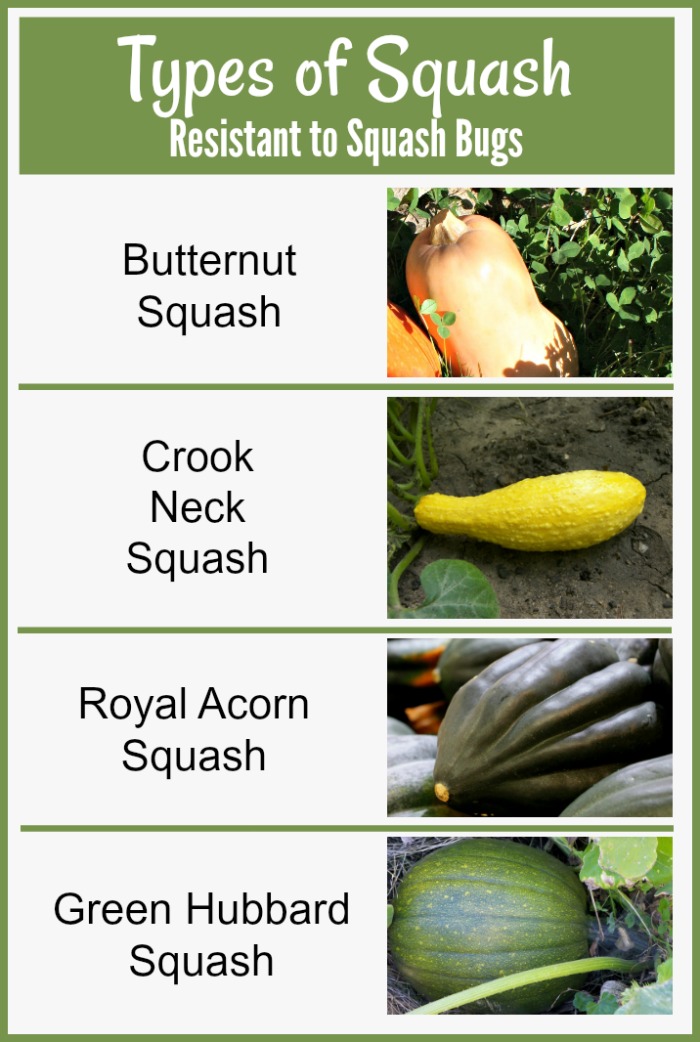
- Butternut
- Early Summer Crookneck
- Improved Green Hubbard
- Royal Acorn
For a zucchini variety that is not as attractive to squash bugs, try growing zuchetta tromboncino rampicante. This variety is a relative to both zucchini and yellow squash, and has a similar flavor to its cousins.
If you can’t find resistant types in your store, be sure to inspect the undersides of the leaves often for eggs clusters and destroy the infested leaves.
The products shown below are affiliate links. I earn a small commission, at no extra cost to you if you purchase through an affiliate link.
What kills squash bugs?
Timing is a factor in controlling squash bugs.
Planting squash a bit later in the season works if you have the time for this and your growing season is long enough. The majority of the bugs will have already hatched and perished earlier in the year.
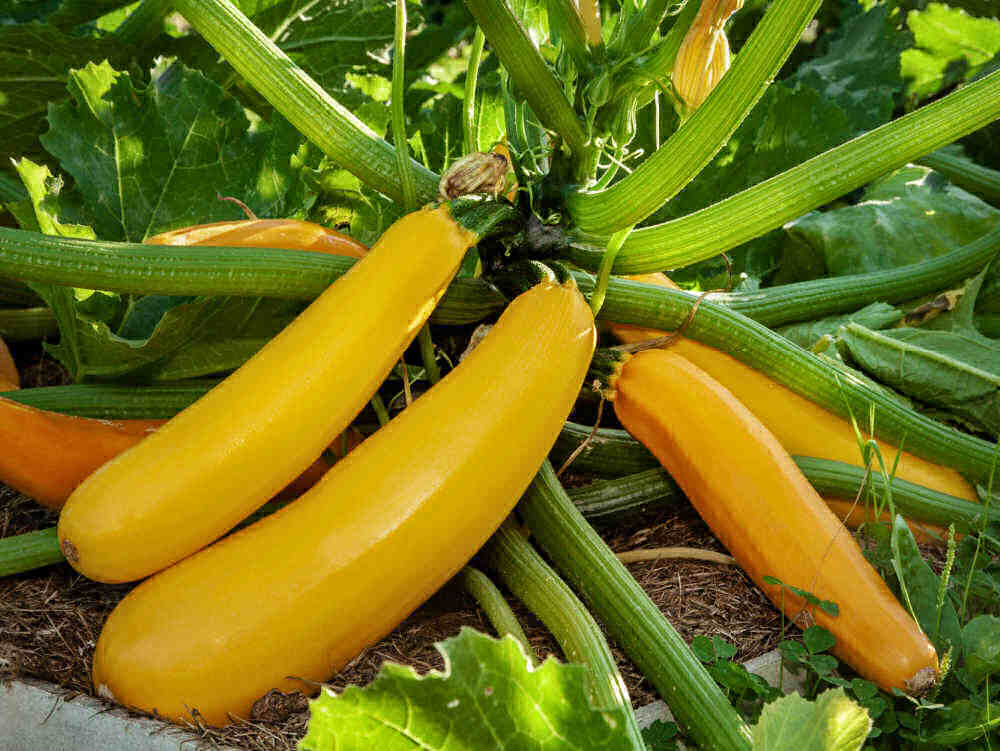
For this reason, a second planting of squash often does better than the first!
Use companion plants that repel squash bugs
There are some plants and herbs which squash bugs seem to avoid, so planting them near squash and other curcubits is a good idea. These include: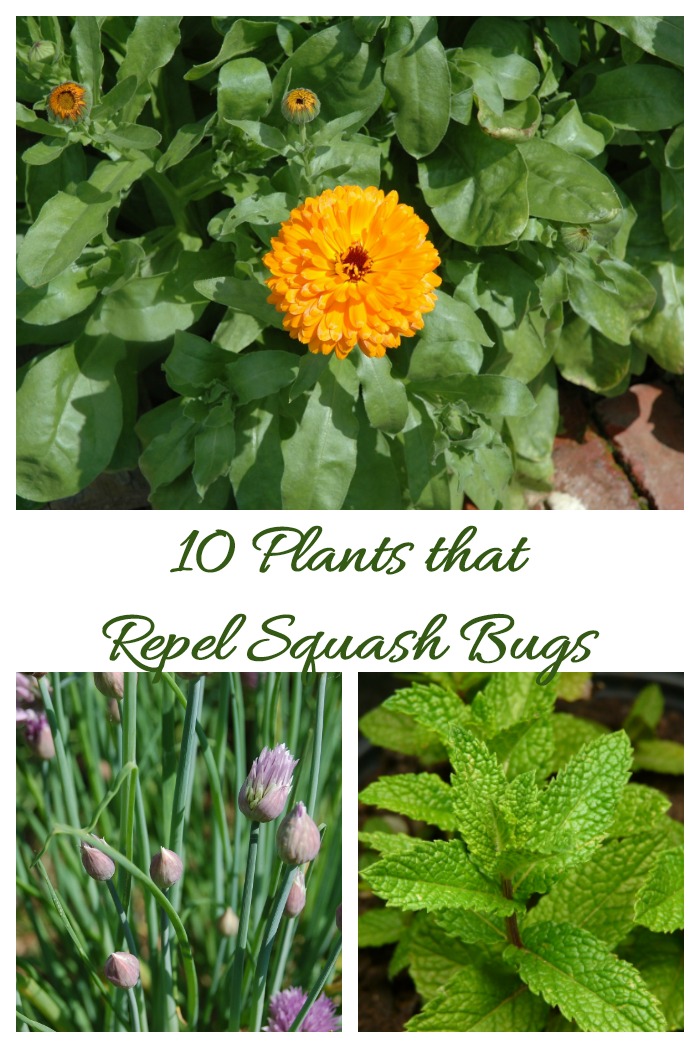
- Mint (in containers is best. Mint can be quite invasive.)
- Chives
- Garlic
- Onion
- Tansy
- Radishes
- Nasturtiums
- Marigolds (calendula)
- Bee balm
- Dill
How to prevent squash bugs: – attract beneficial insects
Squash bugs prevention means trying to attract beneficial insects that feed on them. You do this by having plants near by that welcome insects which love to eat squash bugs.
What eats squash bugs? There are some insects that are very beneficial to have on your side when you are fighting pests. One of these is the Tachinid Fly (Trichopoda pennipes.)
This bug is also known as the caterpillar fly. This fly also helps to control Japanese beetles and grasshoppers and a few other pests.
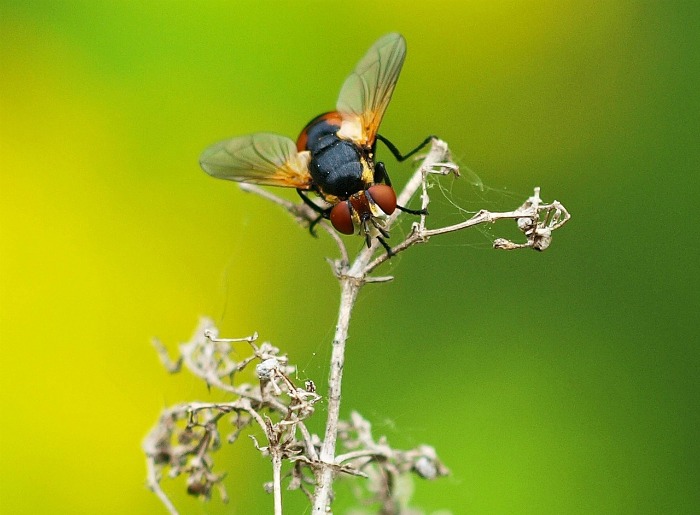
This little bug can be very effective in helping to control squash bug populations. The female fly lays her eggs on the adult squash bugs. When the eggs hatch, they burrow into the squash bug to feed, eventually killing the bugs.
To attract tachinid fly, plant dill, Queen Ann’s Lace, carrots, cilantro or calendula near your squash plants. They have pollen and flowers that will attract the fly.
How to kill squash bugs
Sometimes, even if you have practiced good garden cleanliness and planted wisely, you may wander out one day and find these bugs enjoying a meal of squash leaves.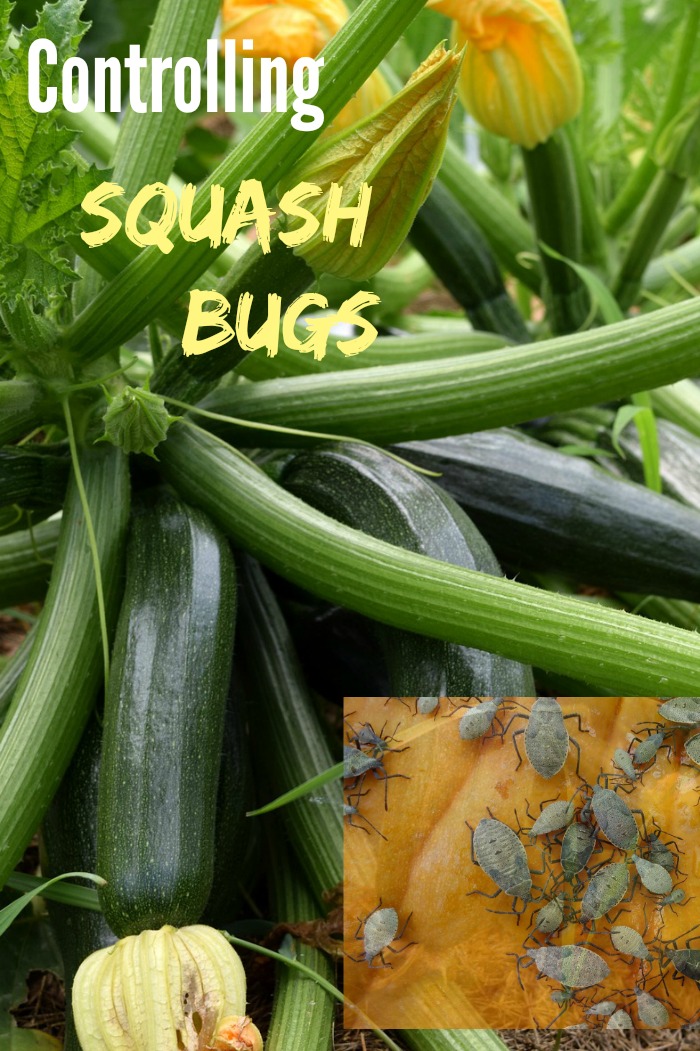
Instead of reaching for the insecticides, there are other things that you can do to prevent squash bugs from doing their damage.
Remove infestations immediately
Ignoring a squash bug infestation will just make it worse in the long run, since it will allow them to take over the plant. If you find infested leaves, remove them from the plant and destroy them.
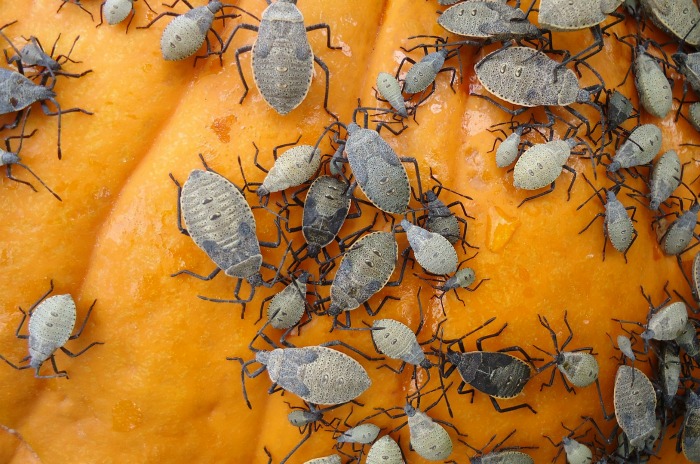
Don’t forget to inspect cucumbers, melons and pumpkins. Squash bugs love them too!
Hand picking of squash bugs
Be vigilant with young plants. If you notice squash bugs on plants, hand picking of the bugs is very effective.
Examine your plants often and crush the eggs when they are spotted. Be especially vigilant early in June, which is a common time for the eggs to be laid.
To pick off the bugs, simply inspect the plants and pick off any adult bugs you may find and drop them a bucket of soapy water.
You will generally find the bugs on the underside of the leaves, or at the base of the plants.
Using wide packing tape with the sticky side out, wrapped around your hands is also a great way to pick the bugs off the plants. This will allow you to pick the eggs off the leaves. You can discard the tape later.

This can be a daily job and if you get decide to let it go for a few days, you may end up with a problem that is not so easy to control.
Squash bugs organic control – neem oil and diatomaceous earth
With vigilance, insecticides are often not necessary but if you do develop an infestation that you cannot manually control, you may need to use them. I like to choose organic options when possible.
Some to try are:
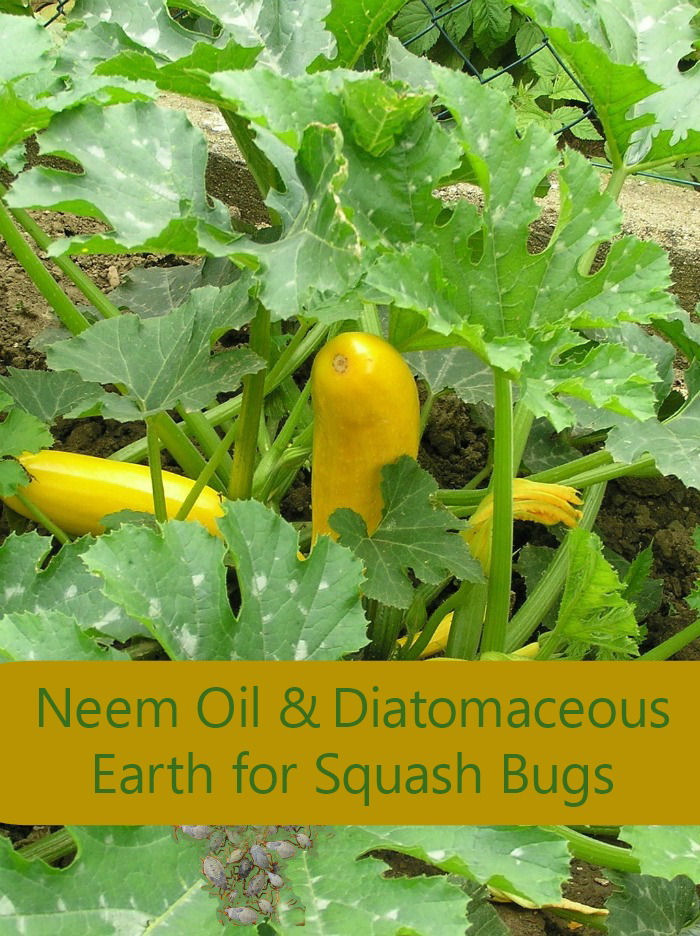
Neem oil for squash bugs
It is is a natural pesticide which effectively controls this pest. Spray it on all leaf and stem surfaces as the label suggests.
Neem oil coats the surface of the squash bug eggs, rendering them less likely to hatch into adults, and it will kill off both the new nymphs and mature adults.
Some gardeners use Neem oil mixed with baking soda as a prevention for squash bugs and also to treat powdery mildew.
Diatomaceous earth
This powder is made from the fossilized remains of tiny, aquatic organisms called diatoms.
Applications of diatomaceous earth around the base of the plant can be an effective method in controlling squash bugs. It is a treatment that is also considered organic.
This powder does not work as well on adult squash bugs because of their hard shells, but it does help to get rid of the squash bug nymphs.
Note: Be careful not to get diatomaceous earth on the blossoms of the plants, because this product affects not only squash bugs and other, more beneficial insects, which are attracted to pollen of flowers.
With a bit of care in both planting and tending of your plants, you should find that you can control these pests for good this year.
For more information on other invasive pests, see this post on dealing with invasive pests.
Admin note: This post first appeared on my blog in June of 2013. I have updated the post with additional information and new photos as well as a printable for your garden journal and a video for you to enjoy.
Pin this post on controlling squash bugs for later
To remind yourself of this post for how to kill squash bugs, pin this image to your gardening board on Pinterest so that you can easily find it later.
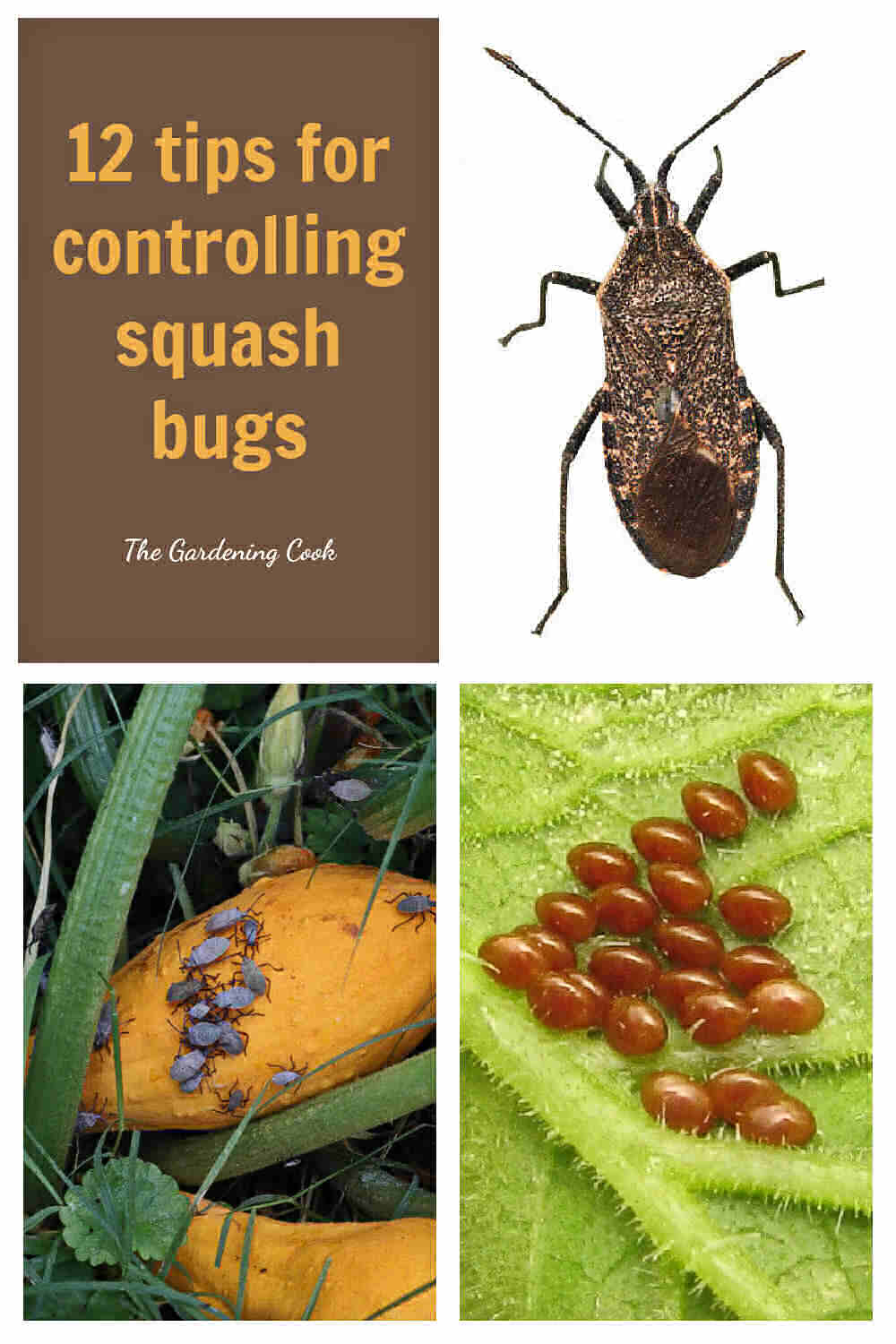
What have you found effective in dealing with squash bugs?
The products shown below are affiliate links. I earn a small commission, at no extra cost to you if you purchase through an affiliate link.
Controlling Squash Bugs Printable
This printable gives a handy chart of tips to rid your yard of squash bugs for good.
Materials
- Cardstock or glossy photo paper
Tools
- Deskjet Printer
Instructions
- Load the card stock or glossy photo paper in your printer.
- Print out the chart for controlling squash bugs.
- Laminate (optional) and display in your garden shed, or keep in your garden journal.
Notes
Be sure to choose landscape and “fit to page” on your printer settings to print out on a normal sized sheet of card stock.
Recommended Products
As an Amazon Associate and member of other affiliate programs, I earn from qualifying purchases.


37 responses to “Control Squash Bugs 12 ways – How to Kill Squash Bugs”
Can you tell me how to control squash bores. I am assuming that is what got the squash, zucchini and pumpkins, the stems at the base of the plant seem to split and then disintegrate, leaves become like slime. I had no moths this year and have not had any squash bugs. I had giant size leaves and the one zucchini I got was a nice large one before I lost my plants. These are in containers off the ground, I treated well with diatomaceous earth and replanted plants. I have been spraying the base of the plants with garret juice and orange oil and so far so good. However I wanted to know what you thought if you have encountered this. I also have nematodes to put out this weekend. Thanks
Hi Sylvia. My experience is that they are very hard to manage. One thing that I Have read about doing is to place some yellow traps for the borer adults. Squash borers are attracted to yellow, so if you put out a yellow container filled with water, you make catch them in it. Most management programs for treating them try to deal with it before they enter the stem. Once inside, they are very hard to manage. Placing row covers on the plants early helps.
If you use insecticides, do it at the stem area when the vines start to run. Permethrin Is one commonly used.
Carol
You can also use yellow trap pans to detect squash vine borer adults. This can be any container (e.g. pan, pail, bowl) colored yellow and filled with water.
I finally won against the squash borers this year: I put row covers on until the squashes started flowering. After this, I removed the covers so they could be pollinated. Shortly after, I noticed the telltale goopy holes on the base of all of the plants. I took a sewing needle and punctured each stem about every quarter inch all the way up the stems. Something worked- either the needle killed the larva inside, or the plants were big enough by this point to withstand being eaten from the inside… only a few smaller plants died, the healthy bigger ones all made it (in previous years, they all died).
@Sylvia Nelson, I have used Spinosad bacteria with great results. You spray your seedlings and the plant as it grows. Wont burn but focus on the underside of the leaves. If any eggs hatch and the larve try to bore into the vine, they will die off and not reach maturity to continue the life cycle. It works very well for any kind of caterpillar. My kale had some caterpillars munching on it, used diluted spinosad concentrate and I haven’t seen them since. Apparently spinosads are useful for a number of other insects as well but I haven’t quite seen that yet. I am battling cucumber beetles and squash bugs now too as I thought they were stink bugs! I have tried spraying cucumber beetles with spinosads, not sure if it has been effective, haven’t experimented long enough.
Spinosads can be bought in a concentrate and diluted with water in a pressurized hand pump sprayer. Save money by buying the concentrate and mixing your own. Spinosad is better than BT because it lasts a lot longer on the plant and is effective against a number of other insects.
@Marigold,
I used to have an annual war with cucumber beetles. When I found out their life cycle began underground and fed on roots first, I used nematodes just after setting out the transplants. This was amazingly effective. The timing is important before they become adults. Adults are hard to eradicate. The yellow traps work for them, but not completely.
Also, be careful using the neem oil. I try to avoid anything blooming as it is dangerous for the pollinators too. Not all products tell you if it is toxic to bees. If it is broad spectrum it is likely toxic to bees.
@Sylvia Nelson, One way we control squash borer is to cut a piece of cardboard or foam about 5″ x 5″. Cut at the middle of one side about half way through to the middle the cardboard or foam. At the middle, make a few more cuts for the stem to grow. Place this around the stem on top of the ground. The borer cannot bore through the cardboard or foam. Knock on wood, we’ve not had any borers. It does help protect the stem significantly. We also place three pieces of small branches down the stem when planting, which helps keep cut worms from eating them off. I hope this helps.
Is it necessary to actually destroy the squash bug eggs? If they are rubbed off of the leaves onto the ground will that suffice?
HI Pam I would not let them stay in the ground nearby. They do such damage if they hatch. You can squash them, brush them into a bucket of soapy water, or wrap wide duct tape around your hands (sticky side out) and pick them this way and then discard.
Carol
Many thanks Carol! I think I’ll try the duct tape trick for the eggs and also try some DE around the base of the plants. I can see starting zucchini or yellow squash from seed later in the season but the melons and winter squash seem to need all summer to bear fruit (we are zone 6). If it’s not one bug, it’s another!
My pleasure!
Hi Carol, My butternut squash did not do well in one of my raised beds. I had brocolli, cauliflower and cabbage growing there over the winter. I live in southern california. I read some where that squash did not like growing where there had been plants from cabbage family. I had tons of organic matter, worm castings, weekly worm tea and irrigated drip system and they just would not grow. Several died and I replaced them. Now that it is mid September they seem to be growing better. I has been really hot here and that is not normal. I guess I will have to plant them somewhere else next year. I am bummed because I have limited space and not not rotate crops.
Hi Julie. I have better luck with squash when it is not quite so hot too. Crop rotation can be quite important but I agree that it is hard if you have limited space. Carol
Hi Norm, I reread the post and it does appear that I was asleep at the switch when I proof read it. I think it should make more sense now. Appreciate you letting me know. Carol
Seriously, it took too long to get the answer to my Google question
How many different ways can you tell me to hand pick the beetles off the plant…100? 1000?
Holy crap!! This entire process was too painful
I just found one on my chives so now what lol
Hi Rebecca. Pull it off and kill it! Squash bugs don’t normally infest herbs. They like squash and pumpkins so it is probably a stray, but don’t take a chance. Carol
I use a hand held Black and Decker cordless vacuum and suck up the adult squash bugs. Duct tape works great for removing eggs, except it tears the leaves easily. A hardier summer squash that lasts longer through an infestation and is good when picked small, is round tatume squash. The vines grow like crazy.
Great idea on the vacuum Elaine.
I have had good luck spraying the squash bugs with a mixture of dish soap and water. This kills both the adults and the nymphs. But even with this, and picking the eggs I find off the leaves, they can still multiply. It’s a never ending battle! This year I’m going to try some diatomaceous earth also.
I have a bag of diatomaceous earth waiting to use as well!
I read spraying blue dawn soap water kills squash bugs. I have done it a few days now, they die in less than a minute. Also spray the eggs. It works
Thanks for the tip Mary!
Yes I used this last year and it works very well.
Mary, be careful with the soap water. It works but if sprayed in the sun, or if it’s made too strong, it can burn the leaves. Good luck and Happy Gardening! Carole
What have you found effective in dealing with Squash bugs? Suicide comes to mind!!! Every year I am dedicated anew to winning this war, every year I lose, and the next year I get suckered into thinking the outcome will be different. Believing we can win against squash bags fits the popular definition of insanity: doing the same thing over and over and expecting a different outcome! Yet somehow, next Spring……………..
Picking them off when I see them is my most effective tip. but you are right. They come back!
HA! Suicide seems like the only solution to me too, Kathryn. I keep trying every year because I LOVE summer and winter squash!! They are definitely my most hated insect. I, also, have never won.
I was wondering if anyone had tried the battery powered insect repellant devices against squash bugs? The ones similar to the devices you plug into you home outlets.
Be careful with Neem oil. It kills bees.
I have a war with this bug every season. The best thing I have found so far is spraying the bugs with a mixture of soap and water. I have to check every day towards evening. If one batch of eggs hatches it makes it much harder to control. Another thing I have done is lay a flat piece of wood on the ground near plant. When I pick it up in the morning the bugs are hiding under the wood and I squash them between 2 pieces of wood. It is very labor intensive but effective. Besides this I am going to plant some catnip and radishes nearby and see if that works this summer.
hi, butternut and yellow squash bugs. i took a 1 pint plastic jar, drill holes in it. put moth balls in the jar. i put a piece of tin on top of jar to act like a roof so the rain water doesn’t get into the jar. set it by root end. you have to shake it every so often to increase the smell. this year i used DEMCO outside bug spray. this is for spraying around the outside of the house to keep bugs out. this spray lasts a few months. one bad thing about it–it will kill the good bugs like pollinators. have fun bob
I definitely disagree with the use of tachinid flies. They are killing our monarchs and other butterflies.
I use tulle cloth to cover my Zucchini plants. It works really well. The biggest problem is that the cloth tears very easily. Then I have to sow the hole closed.
Secondly, I have to be the bee and pollinate the flowers myself. It’s not a big deal. In order to cover the Zucchini plants I bought some 1/2″ PVC pipe and bent them over my raised beds about every 3′ forming a half hoop.
I also put the 1/2″ PVC pipe horizontally on top of and over my half hoops and tied this horizontal PVC pipe in place with some light string. My raised beds are built our of 2″ x 6″ treated boards. On top of these boards I nailed into place a 3/8″ x 1.5″ strips of treated wood set off center. You will have to rip some 2″x6″ treated boards to get the desired strips. To keep this cloth in place I used paper binders that would open to the thickness of the offset strips and clipped the cloth to these strips.
The tulle cloth can be purchased from a wholesale house much cheaper than a fabric shop; and, it comes in 9′ widths. This seems to be the right width for a 4′ wide raised bed. Over time the cloth does stretch. The squash bugs and stink bugs seems to be controlled. It is now early August and the plants do not seem to be bother by these bugs.
However, smaller bugs like aphids can still be a problem. To set this system up can be a little costly. However, gardening is a hobby. Hobbies do get to be expensive.
Best of luck.
Thanks for the tips, Jerry.
My yellow squash were infested with squash bugs and powdery mildew. The squash continued to grow but they grew white! Are they still edible white?
There is a disease that can happen by eating some plants in the squash family that have been infected by disease. It is called toxic squash syndrome. IF you bite into squash that is extremely bitter, the plant may have been infected.
Thank you SO much for all this information! I have never even heard of squash bugs before and this is our second year with them 😠! I have tried some of these tips already, but after reading all of this, I think I may be able to get a handle on them for next year! Thank you again!!