
Have you ever wondered what you need to do to grow sweet tomatoes?
Vegetable gardening is so satisfying and home grown tomatoes are at the top of my favorites list. The taste of home grown tomatoes is nothing at all like those that you buy in the stores.
Even the vine ripened ones can’t compare in taste to the sweetness of those you grow yourself.
Contrary to popular thinking, not all tomato varieties give off the same kind of sweetness. Just because a tomato is home grown does not mean that it is automatically sweeter.
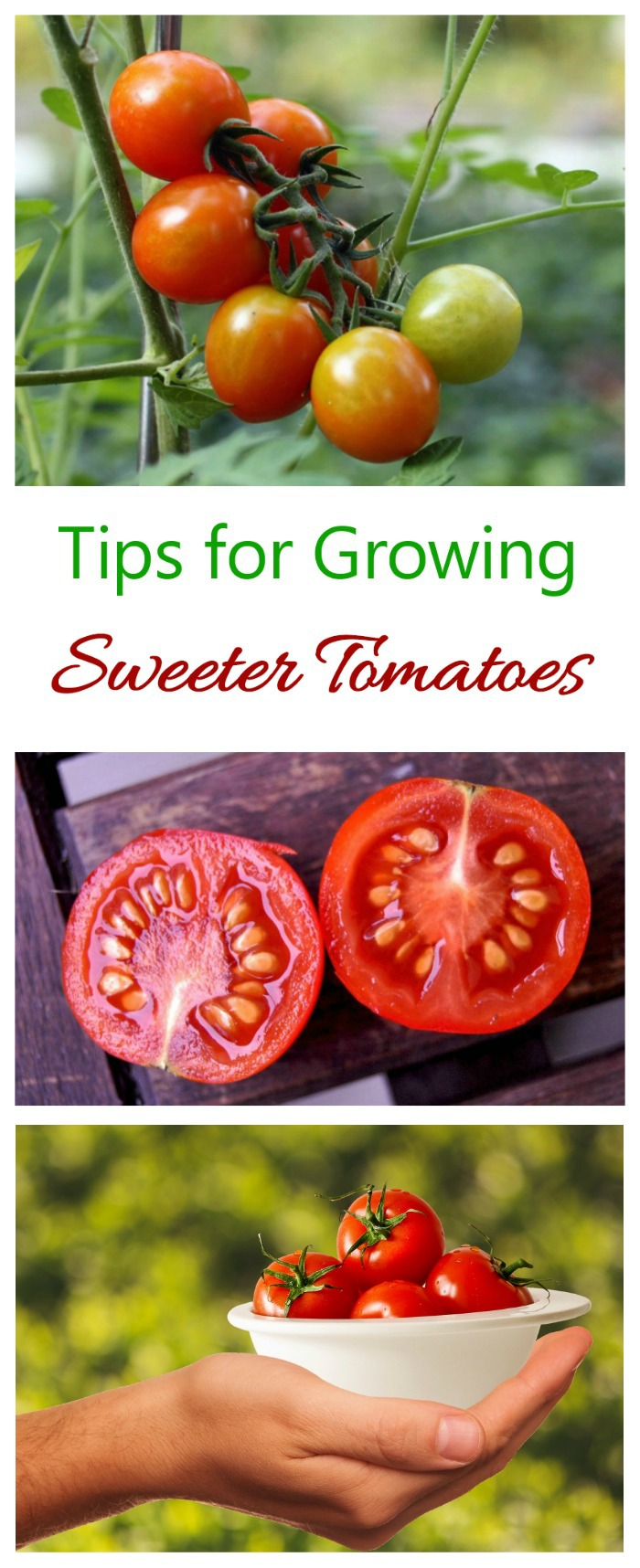
The actual flavor of a tomato comes from a combination of the plant chemistry and also variables that are present in your gardening spot such as the air temperature, and your soil type.
Even the amount of sun and rain that you get during the growing season matters.
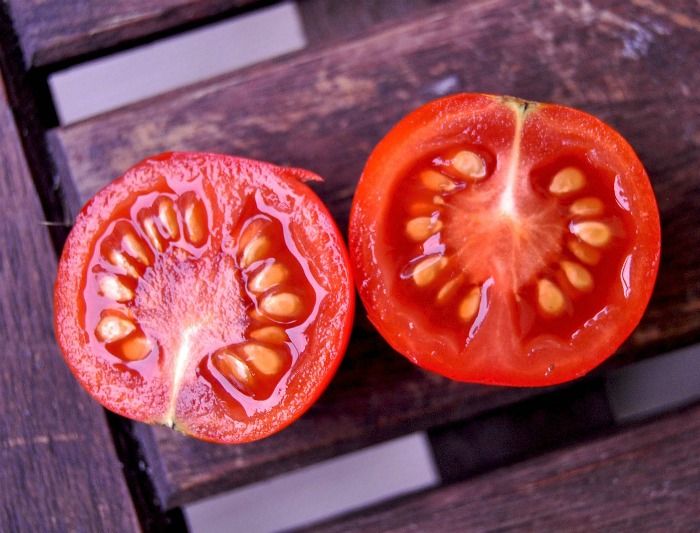
The flavor of the tomato comes from the balance of acidity and sugar in the crop. Tomatoes that taste the most acidic have a lower level of sugar in them. Sweeter tomatoes, on the other hand have a low level of acid and a higher level of sugar in them.
If your plant is low in both acid and sugar it will be bland. The ideal tomato, for many people, is one that is high in both acid and sugar.
Tips for Growing Sweet Tomatoes
Choose the right type!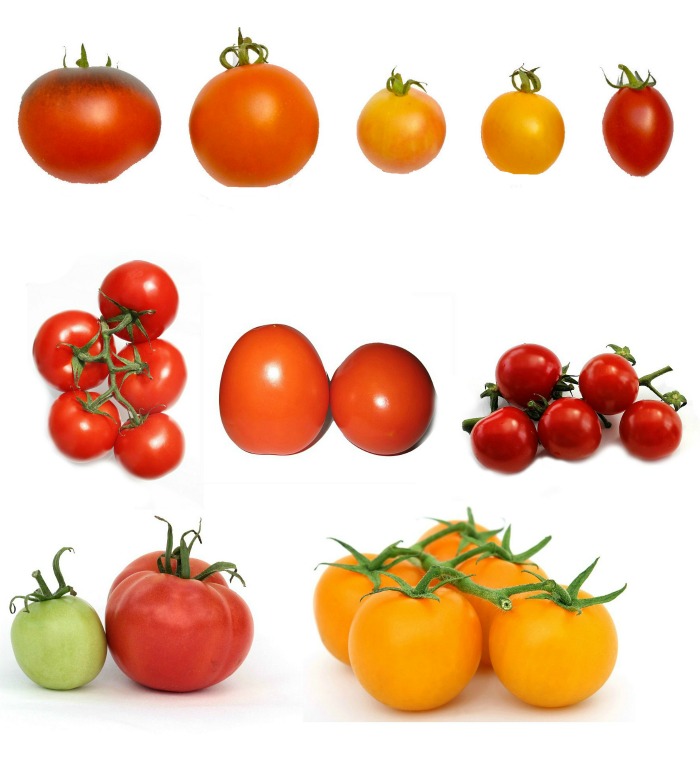
The single most important thing that you can do to ensure that your tomatoes will be sweet is to grow the right cultivars. For the sweetest varieties, choose cherry tomatoes known for their sweetness, such as sweet million and sun sugar varieties.
Heirloom varieties are known for their intense flavors, but be sure to check the description on the package of seeds to see whether the tomato is know for its sweetness of tartness.
It does not matter whether the plant is a determinate or indeterminate type of tomato plant. Both have varieties that give some tomatoes that are sweeter than others. (Indeterminate varieties are less prone to tomato bottom rot, though.)
The size of the fruit makes a difference.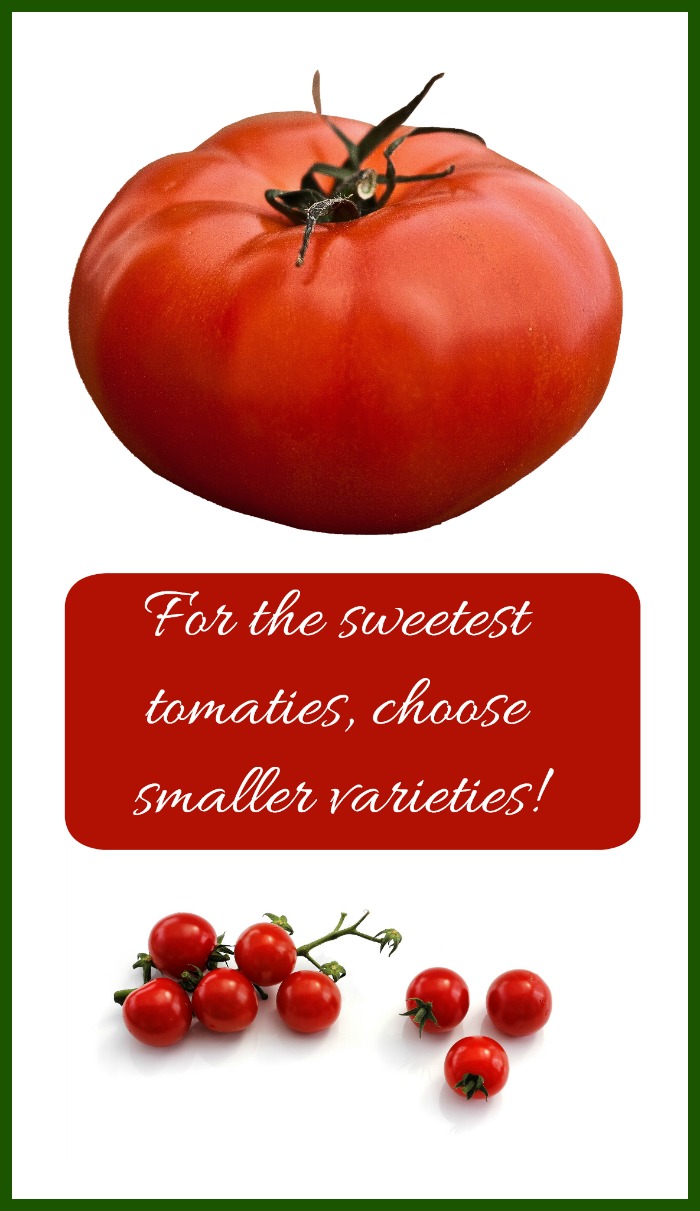
Larger varieties, such as beefsteak tomatoes can often be less sweet. Some sweet varieties of tomatoes are shown here. Both cherry and grape tomatoes reach a higher sugar concentration in the fruit than full size tomatoes do, so they will generally taste sweeter.
If sweet tomatoes is your goal, go for a smaller tomato!
Make sure the plant is suited to your area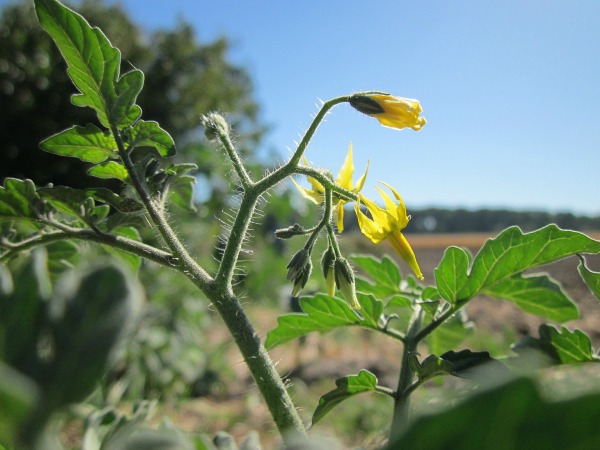
Sure, you can order tomato plants known for their sweetness from mail order catalogs, but the plants you choose should be suitable for your climate and soil conditions.
Many varieties that perform well and produce sweet tomatoes in some areas may do poorly in others. A plant that does well in one planting zone may suffer when the rainfall or humidity in another is different.
This will have an impact of the quality and sweetness of the fruit.
Spacing Tomato Plants
Crowded tomato plants gives you stunted growth and a drop in fruit production, since the sun cannot reach the tomatoes as well. This gives the plant a perfect breeding place for disease and other problems.
Tomatoes need room to grow. Be sure to keep the type of plant that you have in mind and space the plants so that the fruit will have a chance to not only grow but develop sweetness.
See more great tips for spacing tomato plants.
Start your Tomato plants early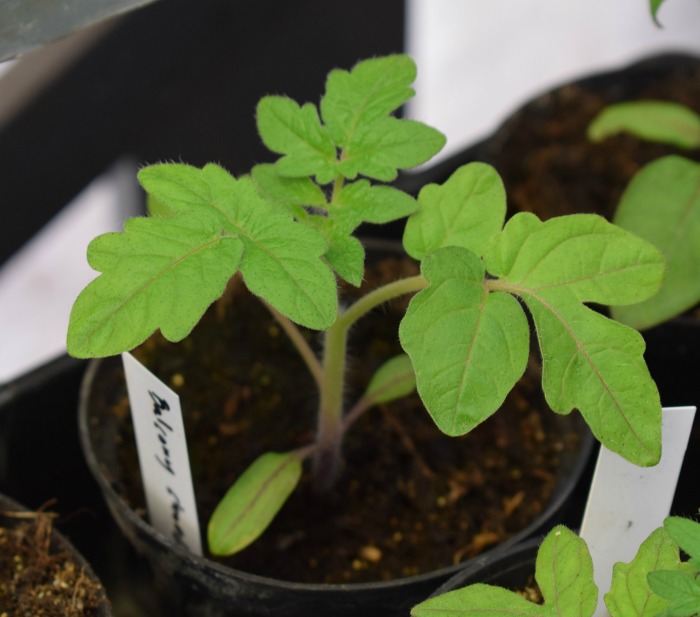
Tomato plants like a long growing season in the heat. If you start them too late, they will have a shorter time to ripen. If yours are too late, you can always make fried green tomatoes with them. The recipe is delicious!
Starting seedlings indoors before the last frost can extend your growing season and give tomatoes a longer chance to ripen naturally
If possible, let them ripen on the vine.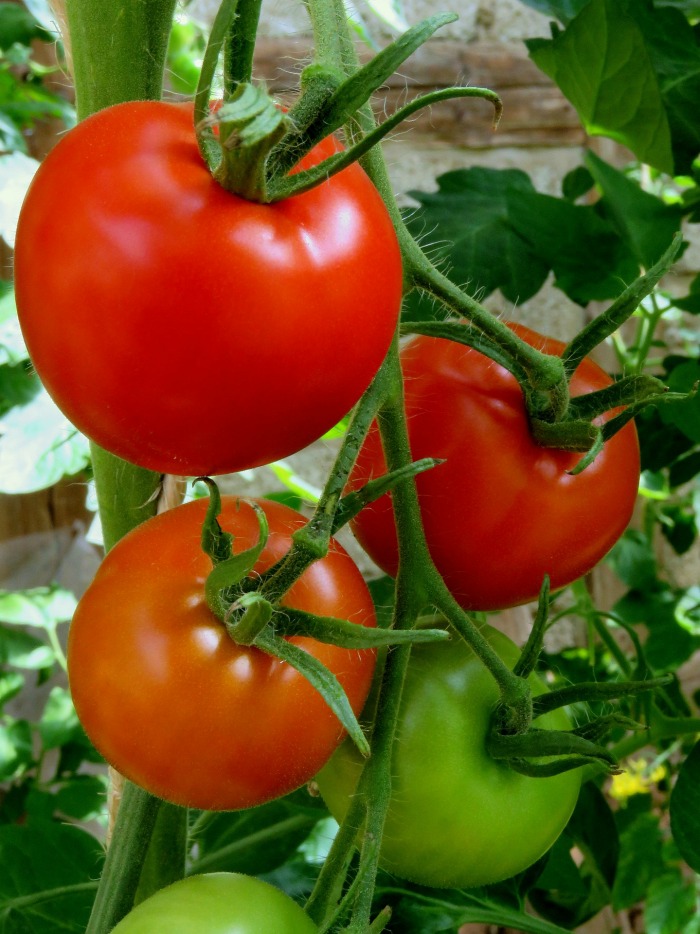
To encourage your plant to grow sweet tomatoes, allow the fruit to ripen on the vine. But sometimes, garden critters make this a challenge. I have had squirrel problems in my yard and often have to pick my tomatoes green and let them ripen indoors.
If I don’t do this, the squirrels will take a bite out of each one and destroy my crop. I have found that tomatoes that ripen on the vine are much sweeter than those that I have to bring indoors to escape the squirrels.
Add organic matter to the soil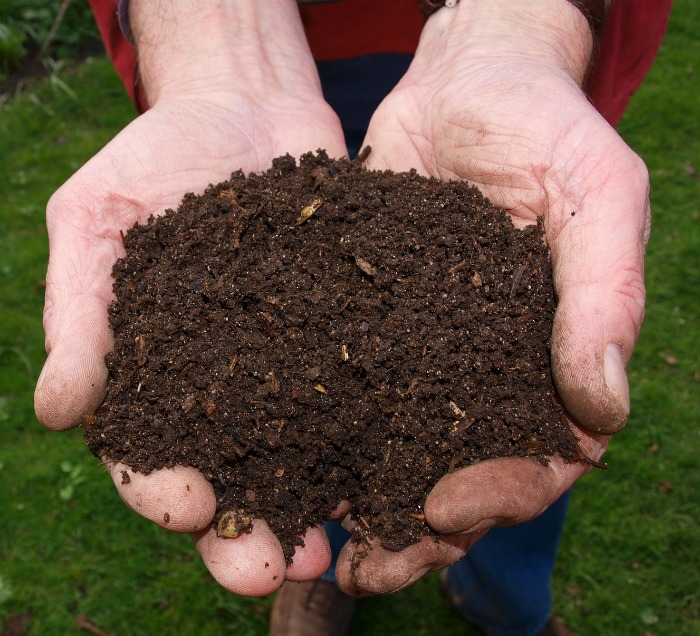
In order for any tomato plant to do well and end up with a sweet crop, it needs nutrients to meet its growing needs. You can use tomato fertilizer or add lots of organic matter to the soil to add these nutrients back as they are used up in the growing process.
Having a compost pile that creates humus and using it around the plants will help to encourage good growth and natural sweetness.
The weather matters
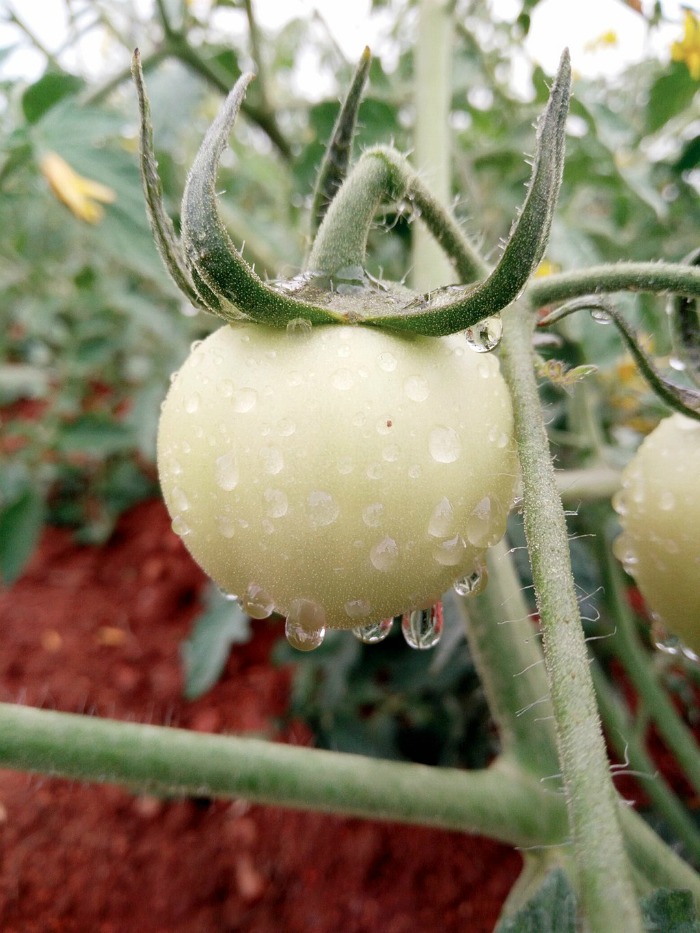
Healthy tomato plants require hot weather with abundant rainfall of at least 1 inch a week. If your weather is cool and the soil stays wet for a prolonged period of time the whole tomato plant as well as the sweetness of the tomatoes will suffer.
Too hot a heat and less water than the plants need will mean that the tomatoes cannot access the moisture and nutrients they need to develop their sweet flavor.
Common Home Remedies for Sweet Tomatoes – Do they Work?
Adding Baking Soda to the Soil
There is a theory that adding baking soda to the soil will lower the acidity and make the tomatoes sweeter, but is this true? The short answer is not really. Tomatoes don’t draw acidity up from the soil.
They produce acids and sugars based on their genetics. Some gardeners swear that the baking soda works, so I suppose it is worth a try to discover this for yourself.
There are some effective ways to use baking soda in the garden, though. Check them out here.
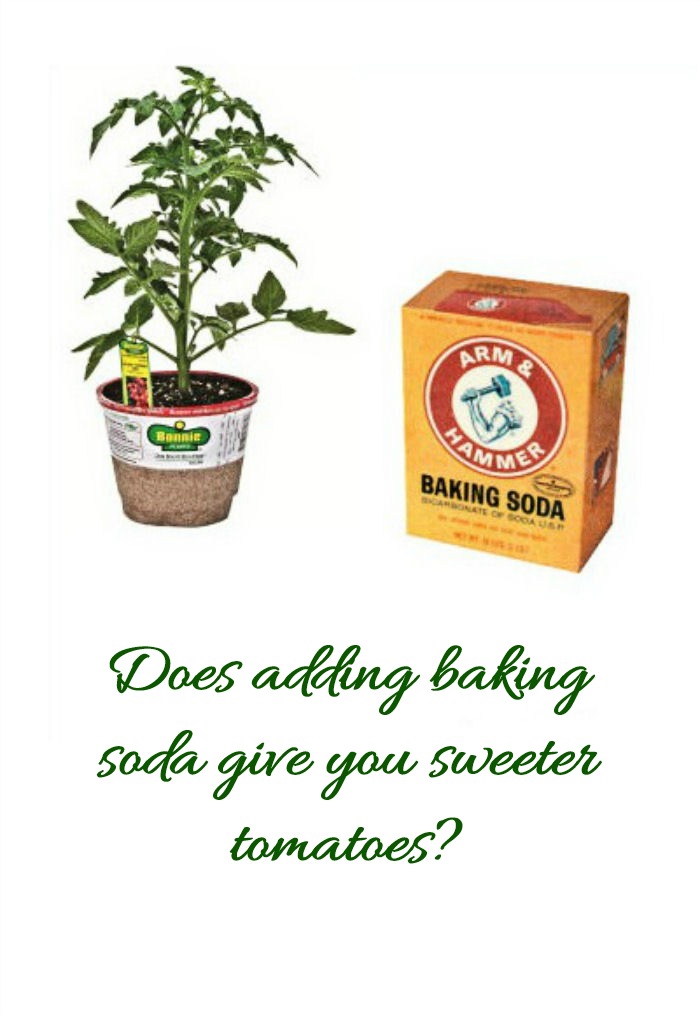
There is one good use of baking soda with tomatoes, though. Mix it with vegetable oil to make an organic tomato spray to fight tomato fungal disease.
To make the spray, combine a gallon of water with a tablespoon of baking soda and 2 1/2 tablespoon of vegetable oil in a spray bottle.
Stir and add 1/2 tsp of castile soap. Spray this solution on the foliage of tomato plants until the fungal disease disappears.
Will Epsom salt help to sweeten tomatoes?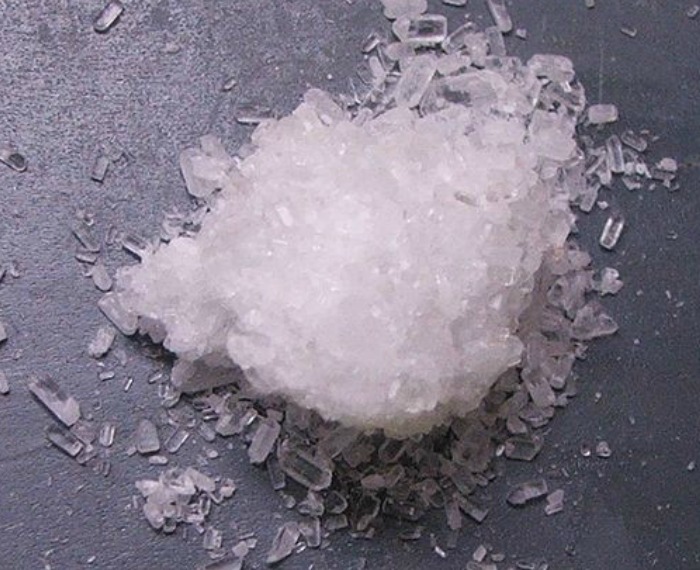
Another common thought is that adding epsom salt (magnesium sulfate) around tomato plants will sweeten the tomatoes. Once again, the sweetness of tomatoes is generally genetic, so this won’t help but epsom salts can be an effective all purpose fertilizer.
You can also mix 1 or 2 tablespoon of epsom salts in a gallon of water to use as a spray to discourage blossom end rot.
Have you discovered some other tips in your quest for growing sweet tomatoes?
Please share them below. I’d be particularly interested in your results with epsom salts, baking soda and other home remedies that are reported to sweeten tomatoes.
65 responses to “Growing Sweet Tomatoes – Tips, Tricks and Myths”
How often do you sprinkle with baking soda and when do you start/stop? All the way through growing???
I’d just do it when I planted them.
THANKS FOR THE TIP SIR.
For years I’ve struggled with tomato blight. Do you know what I can do to prevent it or to cure it when it happens.
Are you in a wet region Lori? That is one of the most common causes of tomato blight. Things you can try:
Get rid of decayed material.
Harvested tomatoes early if you can
Gardeners are able to access forecast warnings of when blight is active in their region from local sources.
Picking off leaves when only a few are affected may slow down the progress of blight.
Crop rotation helps to reduce the risk.
Carol
Always plant 2ft apart & 2 ft into the ground or in a 2 ft deep pot & 2 foot wide pot. Water daily & let them have at least 6 to 8 hours of sun daily.
Should you repot them? I got some that were already started and have now outgrown the trellis. Do I need to repot them with a new trellis? I have a new one and a larger pot but unsure. Still reading though! And I’ve got small green balls starting! So excited!!
I don’t usually grow tomatoes in the pot they come in. I either plant them in the ground, or pot them in a much larger pot. Repotting fulling grown tomatoes is not something I would try. STores put in very small trellises that are not capable of supporting he eventual growth.
Can you do this to pepper plants?
I sprinkle a ring of Epsom Salts around my pepper plants to boost them. Also at time of planting I add a small amount of wood ashes in the bottom of the hole, cover with a little soil and them put in the pepper plant. I get big healthy plants and lots of fruit.
Great tips Audrey. Thanks for sharing. Carol
Epsom salts will give a plant Manganese which is a Micro Nutrient that plants only need a little bit of, but my secret is a 1/4 cup around my roses at the base and watch those puppies bloom. a little Epsom salt on any plant will not hurt it, but go easy it is still a salt.
Your tip about the wood ash, the wood ash is heavy in phosphorus which is great for your roots, but you need to remember to only use the white powdery wood ash and not the black chunky parts. Wood ash is great when ever starting new plants, also OLD saw dust works great, do not use fresh stuff some strange results happen. A friend of mine used a very large amount of fresh saw dust on some strawberries, and they all came out yellow and deformed, like something from a different planet
Thanks for all the tips Bob! Carol
Epsom salts provide Magnesium – NOT manganese. Epsom Salts is also known as Magnesium sulfate. Therefore, you also dose Sulphur (from the sulfate portion of molecule)
Epsom Salts will supply Magnesium and Sulfur. Not Manganese. an entirely different element. Chances are most soils don’t need them. Sandy soil may need some Sulfur. Baking soda will supply Sodium…and Chlorine. Neither of which are particularly in short supply in any soil. If you are using wood ashes in your soil…you are raising your pH already. There are a lot more trace minerals in wood ashes than you will find in baking soda (which is made from Carbon Dioxide). If you want to do something out of the ordinary for your tomato plants…find some Gypsum. Or just grind up a small piece of wallboard. It will supply sulfur and calcium….and calcium goes a long way toward preventing blossom end rot in your tomatoes.
I just want to say this. Calcium in the form of DRY SKIM MILK, sprinkled in the hole at planting time will indeed prevent blossom end rot. And should your tomatoes dare get it anyway, just sprinkle around the base of the plant and it will stop any further damage
Or grind up dried egg shells, tomato plants just love it, plus the shells dissolve slowly over the growing season thus a constant calcium supply.
Keeps slugs and other unwanted crawly creatures at bay too (it’s like glass to them)!
Fresh sawdust will absorb nitrogen while decomposing. Eventually it will release the nutrients back into the soil but will be unavailable for a time.
Can we do this to pepper plants?
not sure. Tomato plants are acidic which is why it works.
Pepper plants prefer a slighty acidic soil.
[…] thegardeningcook.com […]
[…] thegardeningcook.com […]
Thank you for this info. My mom always added and so do I add a tablespoon of Epsom salts to all pepper plants, sweet and hot. Start when they are about 6 inches tall then every 2 or 3 weeks. They get bigger, sturdier, twice as many peppers, and meatier and many more of them. I still have jalepeno and habenero’s frozen in freezer, just raw? We ate all the bell peppers .
Thanks for the tips Jeanne! Carol
I always use egg shells for a calcium boost.
[…] Sweet Tomatoes Try Baking Soda – Here is a neat tip to get the most sweet tomatoes each year. […]
[…] thegardeningcook.com […]
Love tomatoes homegrown
Thanks for that tip We have a garden in the Mission to Seafarers inside Falmouth docks uk and this year I converted an old English telephone box into a small greenhouse and grew tomatoes we had a good crop but noticed the flavour a bit on the tart side I will give your idea a go for my next crop A tip for making your late green tomatoes ripe is to remove all leaves from plant therefore all energy will go into ripening the tomatoes Drastic I know but works
Another idea I use for speeding up the ripening process for tomatoes is root pruning. Slice straight down into the soil a one foot line a few inches away from the main stem using a knife, this severs some of the root system and shocks the plant into ripening some of its fruit (tomatoes). I have done this for years when I have an abundance of green tomatoes. Of course they can just be placed in the window to ripen and then there’s always fried green tomatoes!
Thanks for sharing the tip Eddie. Carol
Or wrap green tomatoes at the end of the season in newspaper. I still have fresh tomatoes at Thanksgiving.
Thanks for the tip Roni!
I wrapped my tomatoes and will never do it again. Had to unwrap every one to find out which was ripe. Now I just leave them on the table covered with newspapers and lift up to see if they are ripe
Do you wrap them green and put them in the fridge, then take them out to ripen? Or wrap them green and leave them out until they ripen? Thanks!
@Natalie, Never refrigerate tomatoes. It activates a chemical that gives a nasty taste. Just like why if you have green tomatoes You pick before you get colder nights or a frost. I had a plant under cover one year and it was a milder year so experimented. I picked a ripe tomato on Dec 1st. I was so excited that my beloved plant had produced so late. While we had not had frost we had a lot of days and nights below 54*. When I picked that tomato it was so bitter it almost had a metallic taste.
I do not like the taste of a tomato wrapped and ripened in paper but if you do it just wrap and set in a cool dark place like a root cellar or basement. Good luck! Happy Gardening!
I like the tips. However, I wonder about making the tomatoes sweeter if canning them. I understand we need to add vinegar or acid when canning tomatoes as they no longer have as much acid as they did years ago. Perhaps for those plants not being used for canning, adding baking soda would be helpful for “sweet” tomatoes.
Hi Pat. Thanks for the tips. I have never been much of a canner, so it is helpful to get the perspective from someone who is. Carol
Acidity in tomatoes is not a result of the ph of the soil. All tomatoes have approximately the same level of acidity. Perceived sweetness depends on the sugar levels(brix) of the fruit. Some varieties are naturally sweeter. Grocery store tomatoes that were picked green did not have a chance for the sugars to develop.
Great tip for the plants. I’ve been adding baking soda to my spaghetti sauce for 30 years. Never liked the sugary taste when sugar is added. I want to taste the tomato , not the sugar.
Hi Diane. There is nothing quite like the taste of a sweet tomato. Carol
But doesn’t this lower the acidity of the soil? I always thought tomatoes liked a more acidic soil…..
It it ok to spray. Epsom salt and baking soda on tomato flowers
Tks
I would not spray directly on the flowers but at the base of the plant, instead. Carol
I’ve used baking soda on diseased plants, but never to sweeten tomatoes. Thanks for the tip! I’ll definitely try that this summer.
I have been using for several years now about 2 tablespoons of epsom salt to one gallon of water. When dissolved I add to my hand sprayer and spray all my peppers and tomatoes. In a couple of weeks you will find more flowers on yours peppers and roses. I do this about every 5 weeks.
Thanks for the tips Debbie. Carol
I dont think the baking soda method has any merits at all as plants dont work in this way, with your advice if you were to lower the ph of the soil then the tomatoes would be almost inedible (this is not the case), as well as raising the ph equally does not effect the sugar content in tomatoes.
Photosynthesis and the plants pre-programmed genetics is what makes the plant sweet or sour, all you can do is grow the plant in the perfect soil conditions, ie high organic content, lots of humus and no shortage of nutrients, with plenty of direct sunshine and water and leave it to the plants genetics. tomatoes do not draw up acidity from the soil but produce acids and sugars from photosynthesizing in sunlight.
Its all pretty basic biology really 🙂
My tomatoes have not got long to go but nice to know these tips for the next lot. Thanks for shariing.
My pleasure Sarah. Glad you found them useful. Carol
for decades i hive preferred going for baking soda on my diseased plants, but i have never given this tip on sweeten tomatoes. Thank you for this tip.
I have Epsom salt mixed with water for big yield in tomatoes and chillit’s. It works.
Glad to hear it Busi. Thanks for the tip. Carol
Thank you for this post it was was very helpful.i will share this post my friend will like it more.Keep up the good work
A couple of comments,
#1- Squirrels bothering the tomatoes, have you tried marigolds & shasta daisy plants growing near the tomatoes? I watched deer avoid the garden when they could have gone after the corn because those plants were in place.
#2- Mr. Dick Raymond’s book the JOY OF GARDENING comments that if you harvest tomatoes green they are much more flavorful if they ripen out of the sunlight. He comments “put one tomato in the light to see it ripen…leave the others in a darkened area and turn them to keep them from bruising” and let them ripen in the dark. He comments why this is also.
Thanks for the tips
Great article. I am living in Portugal and find growing tomatoes much easier than in the UK. With so much sunshine and no frost to contend with its easy to grow them anywhere.
This article was really great. Thank you for sharing this amazing article.
Great content. It worked very well for me. Thank you.
The information you have shared through this article is amazing. It can be very helpful to many of us. Thank you for sharing.
Great article! Thank you for sharing this wonderful article.
Good article! Glad to see someone point out it’s all about the tomato choice, not the soil.
I don’t know if it makes tomatoes sweeter, but powdered milk sure makes them happy! My plants are huge this year with tons of tomatoes.
If you want sweet tomatoes, there is nothing better than Coca Cola. 500ml of Coca Cola per plant once per week. And don’t use artificial fertiliser. Use a 50:50 mix of Sheep manure (fermented in a lidded bucket for 1 year) and fresh seaweed, or Kelp.